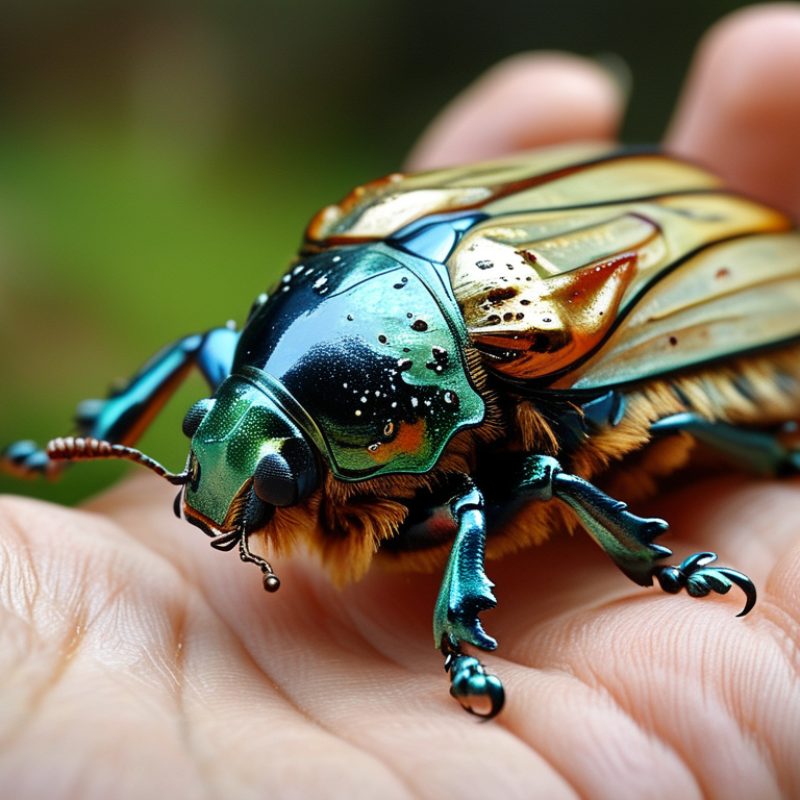
| Three-dimensional form | A cured transparent resin block holds the specimen in a fixed position and protects delicate legs, antennae, wings, and body segments from routine handling. | The insect is suspended inside a rigid matrix rather than displayed loose, reducing movement and accidental contact. | The object is easier to display, package, and ship than an unprotected loose specimen. |
| Optical clarity | Common clear epoxy systems generally have a refractive index of approximately 1.5–1.6, close to ordinary glass at about 1.52. | Clear resin allows the specimen to be viewed from multiple angles, although bubbles, scratches, and surface reflections can affect clarity. | The display can function as both a natural-history object and a decorative piece. |
| Color preservation | Butterfly and beetle colors may come from pigments or microscopic surface structures. Blue morpho coloration, for example, is primarily structural rather than ordinary blue pigment. | The sealed environment limits direct rubbing and contamination, but prolonged ultraviolet exposure can fade natural colors and yellow some resins. | Bright metallic, iridescent, and patterned surfaces remain visually attractive when the item is kept away from strong sunlight. |
| Moisture protection | A fully cured resin enclosure creates a barrier against direct contact with ambient moisture, dust, and fingerprints. | Sealing helps isolate the dried specimen, but residual moisture inside the insect can still cause cloudiness, discoloration, or deterioration. | Lower day-to-day maintenance is useful for collectors, educational displays, and interior decoration. |
| Representative specimen size | Common display examples range from approximately 5–8 mm for the seven-spot ladybird to about 25–75 mm for adult male European stag beetles, including mandibles. | Resin blocks can be designed around small or large specimens, but larger castings require careful control of heat, bubbles, and curing stress. | Different sizes support small gift formats, desktop displays, museum-style pieces, and educational collections. |
| Rarity and provenance | Rarity is determined by species, geographic origin, condition, coloration, preparation quality, and documented provenance—not by resin alone. | Encapsulation preserves the specimen’s existing characteristics but does not increase its biological rarity or create a new species record. | Buyers can evaluate authenticity and collectability through species identification, source information, and lawful acquisition records. |
| Shipping durability | A solid resin enclosure provides mechanical support, but the cured block can still crack, chip, or scratch if dropped or packed poorly. | The matrix reduces direct impact on fragile insect parts and helps maintain the intended display position. | Stable presentation and compact packaging make the product suitable for cross-border e-commerce when protected against impact and heat. |
| Care requirements | Recommended care includes indirect light, moderate indoor temperatures, a dry soft cloth, and avoidance of solvents or abrasive cleaners. | Good storage conditions slow resin yellowing, surface damage, and color change in the biological specimen. | Simple maintenance supports long-term decorative and educational use. |
| Legal and ethical status | Trade rules differ by species and destination. Some insects or source regions may be subject to wildlife, quarantine, import, export, or CITES-related requirements. | Resin preservation does not remove legal obligations associated with collecting, transporting, or selling the specimen. | Clear species information and lawful provenance increase buyer confidence and reduce customs or compliance risk. |