Why Choose Mortar Cement for Construction Projects?

Choosing the right binder can shape a project’s strength, appearance, and long-term maintenance. Mortar cement offers a practical balance for brickwork, blockwork, and selected masonry repairs. It blends cementitious materials with controlled properties, helping crews produce consistent mortar when water and sand are measured carefully. On a busy site, that consistency matters. A workable mix can spread smoothly across a brick bed, fill joints evenly, and reduce avoidable material waste.

The benefits become clearer during daily construction. Mortar cement can improve workability, allowing masons to adjust units without excessive effort. Properly proportioned mortar also supports reliable bond strength and weather resistance. However, product performance depends on more than the bag label. Sand grading, mixing time, curing conditions, joint design, and local climate all influence the final result. Experienced contractors still check technical data sheets and follow relevant building standards, such as applicable ASTM or EN requirements. Small details matter.

It is not a universal solution. A mix selected for interior blockwork may not suit exposed stone or historic masonry. Excessive water can weaken the finished joint, even when the cement is high quality. That mistake is easy to make. Before choosing mortar cement, project teams should review substrate type, expected loads, moisture exposure, and required finish. A qualified engineer or masonry specialist can confirm compatibility and testing needs. This careful approach combines practical experience with documented performance, helping construction teams make a dependable choice rather than relying on habit. Mistakes can still happen, but thoughtful planning makes them less costly.

Why Choose Mortar Cement for Construction Projects?

What Is Mortar Cement and How Is It Used?

Mortar cement is a hydraulic binder designed for masonry mortar, not structural concrete. It combines cementitious materials with controlled air content and workability. Workers mix it with sand and clean water to create joints between bricks, blocks, or stone. It also supports masonry veneer, bedding layers, and small repair areas.

ASTM C270 classifies mortar by performance and use. Type M requires at least 2,500 psi compressive strength, while Type S requires 1,800 psi. Type N and Type O require 750 psi and 350 psi, respectively. These figures describe laboratory mortar, not every jobsite batch. That distinction matters. The U.S. Geological Survey estimated global cement production at about 4.1 billion metric tons in 2023, showing the material’s vast industrial scale. Yet scale does not replace careful mixing.

On site, a mason checks sand moisture before adding water. A stiff mix may cling poorly to a dusty block. An overly wet mix can slump from a narrow joint. Mortar cement often improves consistency, but the selected type must suit wall loads, exposure, and the masonry unit. ASTM C270 allows proportion-based and property-based specifications, so project documents need close reading. I would not treat the strongest mortar as automatically best. Excessive strength can restrict movement and contribute to cracking in older masonry. A small trial panel, proper joint tooling, and curing protection reveal problems early. Field conditions still challenge perfect specifications.

How Mortar Cement Supports Construction Performance

Why Choose Mortar Cement for Construction Projects?

Mortar cement supports construction performance by improving consistency, workability, and bond strength. On site, a workable mix spreads smoothly across masonry units without excessive retempering. This helps workers maintain even joints and reduce avoidable voids. Better water retention also supports gradual hydration, especially on dry or absorbent surfaces. The result can be more reliable adhesion and fewer weak areas within the wall.

A stronger mix is not always better. Excessive cement may increase stiffness and create cracking when masonry moves slightly. Experienced crews check the substrate, weather, unit absorption, and project specifications before mixing. Proper proportioning matters more than simply adding material. Controlled curing also protects early performance, particularly during hot, windy, or cold conditions. Small site errors can still affect a carefully designed mortar.

Tips: Keep sand moisture in mind, because it changes the final ratio. Use clean water and measure materials consistently. Dampen highly absorbent masonry when specifications permit. Avoid adding water after the mortar begins to stiffen. Check joint appearance during installation, not only after completion. Practical records, including batch times and weather conditions, can reveal why performance varies. One detail is easy to miss: mortar should support the masonry system, not compete with it.

Key Benefits of Choosing Mortar Cement

Why Choose Mortar Cement for Construction Projects?

Mortar cement offers consistent bonding, workable texture, and predictable strength for masonry work. Its controlled composition helps crews spread mortar smoothly across brick, block, or stone joints. On site, that matters when temperatures change and installation speed varies. A stable mix reduces weak spots caused by uneven water addition. The U.S. Geological Survey reported global cement production near 4.1 billion metric tons in 2023. This mature supply chain supports regular material availability and established quality testing.

Performance depends on the selected grade and exposure conditions. ASTM C1329 and EN 998-2 provide recognized frameworks for mortar performance, including compressive strength and intended use. Good mortar should support the masonry, not overpower it. Excessive strength can increase cracking risk in older or softer units. That detail is often overlooked. Mortar cement can also improve water retention, helping the mix remain workable during placement. However, it cannot correct poor curing, dirty joints, or incorrect proportions. Field checks still matter.

Environmental performance deserves honest attention. The International Energy Agency identifies cement production as responsible for roughly seven percent of global carbon dioxide emissions. Mortar cement is not automatically a low-impact choice. Lower-waste batching, accurate mixing, and suitable strength selection can reduce unnecessary consumption.

A practical test remains simple: press a small amount in your hand. It should hold shape without bleeding water. Not perfect, but revealing.

Factors to Consider Before Selecting Mortar Cement

Why Choose Mortar Cement for Construction Projects?

Selecting mortar cement requires more than comparing price or compressive strength. On a real site, the joint must match the masonry unit, exposure, and workmanship. ASTM C270 separates mortar by properties such as strength, workability, and water retention. Those details affect whether a wall stays stable after repeated wetting and drying.

Moisture changes everything. Check the unit’s absorption before choosing the mix. Highly absorbent blocks can pull water from fresh mortar too quickly. Dense units may need a more workable mortar instead. I would also review the project’s freeze-thaw exposure, joint thickness, curing conditions, and required bond strength. A stronger mix is not automatically safer. Excessive strength can increase cracking when masonry moves slightly.

Environmental performance deserves attention. The International Energy Agency reports that cement production creates roughly 7% of global carbon dioxide emissions. The 2023 Global Status Report for Buildings and Construction also identifies buildings as a major source of global energy use and emissions. Therefore, avoid over-specifying cement content when the design does not require it. Lower-impact formulations may help, but their setting time and site handling must be tested first. That trade-off matters. A small trial panel can reveal poor texture, slow curing, or weak adhesion before hundreds of square meters are built. Records should include batch proportions, temperature, water addition, and test results. Shortcuts remain tempting. They are still difficult to defend.

How to Use Mortar Cement Effectively on Site

Why Choose Mortar Cement for Construction Projects?

How to Use Mortar Cement Effectively on Site

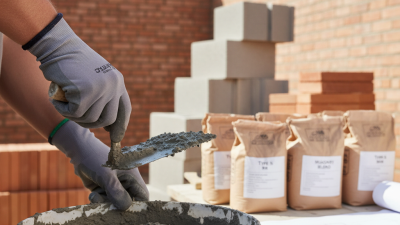
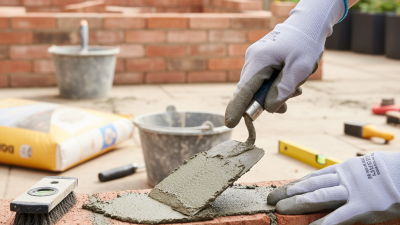
Mortar cement can provide consistent workability for brick, block, and stone construction. On site, accurate proportioning matters more than speed. Measure sand with the same container each time. Add clean water gradually. Keep it workable. Not watery. A stiff mix may resist placement, while excess water can weaken hardened mortar. Follow the project specification and product instructions for the correct cement-to-sand ratio.

I have seen crews rely on visual guesses, especially near the end of a shift. That habit often creates uneven joints.

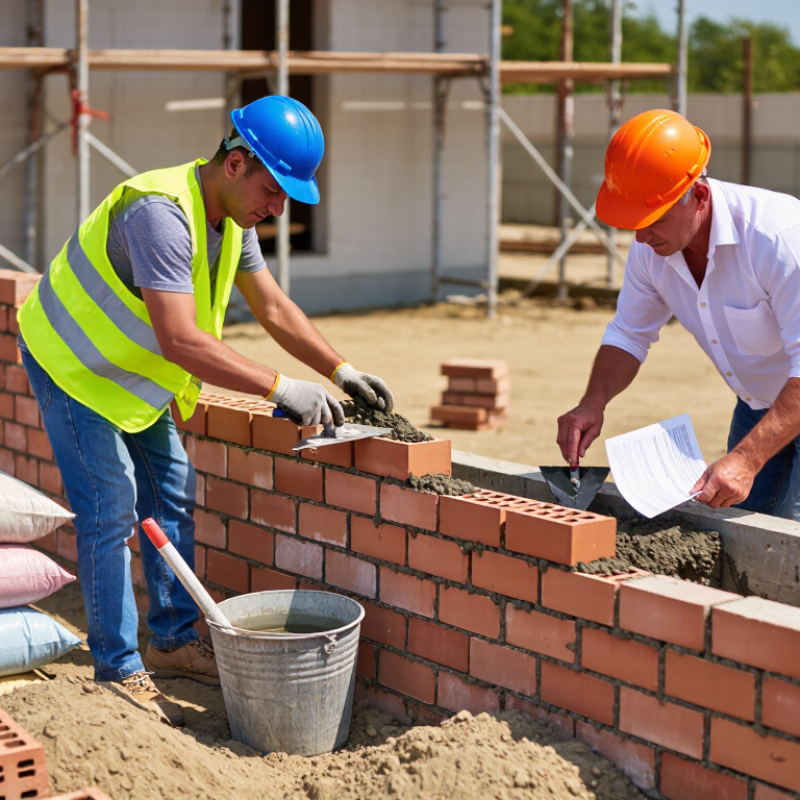
Prepare the masonry surface before mixing. Remove dust, loose particles, and standing water. Lightly dampen highly absorbent units when site conditions require it. Spread enough mortar for practical placement, then press units firmly into position. Fill bed and vertical joints completely. Tool the joints when the mortar is thumbprint firm, not dry.

Protect fresh work from heavy rain, strong sun, and freezing temperatures. Keep unused mortar within its recommended working time, and never add random water to revive it. Small checks matter.

I have learned that rushed corrections usually cost more time later. Record the mix method, weather, and curing conditions for quality control. Local codes and a qualified site supervisor should guide any unusual application.

Find the Right Repair Product for Your Project

Need to find the most appropriate product for the needs of your project? We can help because we have over 70 years of experience servicing the industry with every kind of project, from Do-it-yourself projects to large skyscrapers. Package Pavement has the experience, the knowledge and the products to help every project succeed.

Quikrete Repair Products
Legend
Package Pavement has two convenient locations in Stormville, NY (Dutchess County) and Ravena, NY (Greene County) to serve the Northeastern Region with bagged concrete, blacktop, mortar, and repair products. This map gives a general idea of where we service and the product lines we offer.
Package Pavement Products
Quikrete Products
Spec Mix Products
map

Our Brands Websites