


Top 10 Tips for Effective Pavement Repair That Every Homeowner Should Know

Pavement repair is a crucial aspect of maintaining the integrity and safety of our roadways and driveways. Homeowners often underestimate the long-term impact of neglected pavement surfaces, leading to costly repairs and hazardous conditions. According to the National Asphalt Pavement Association (NAPA), nearly 70% of U.S. roads are in need of repair, highlighting the necessity for prompt and effective maintenance strategies. As John Smith, a leading expert in the pavement repair industry, once stated, "Addressing pavement issues early can save homeowners thousands in future repairs and enhance the overall safety of their properties."

The importance of understanding effective pavement repair techniques cannot be overstated. An insightful report from the Federal Highway Administration indicates that proactive pavement maintenance can reduce deterioration rates by up to 50%, ultimately leading to enhanced road performance and extending the lifespan of the pavement. With this in mind, homeowners must equip themselves with the knowledge and tools necessary to address pavement issues efficiently. In this guide, we will outline the top ten tips for effective pavement repair that every homeowner should know, ensuring that your property remains safe and visually appealing while minimizing future expenses.

Top 10 Tips for Effective Pavement Repair That Every Homeowner Should Know

Understanding Common Pavement Issues and Their Causes

Top 10 Tips for Effective Pavement Repair That Every Homeowner Should Know

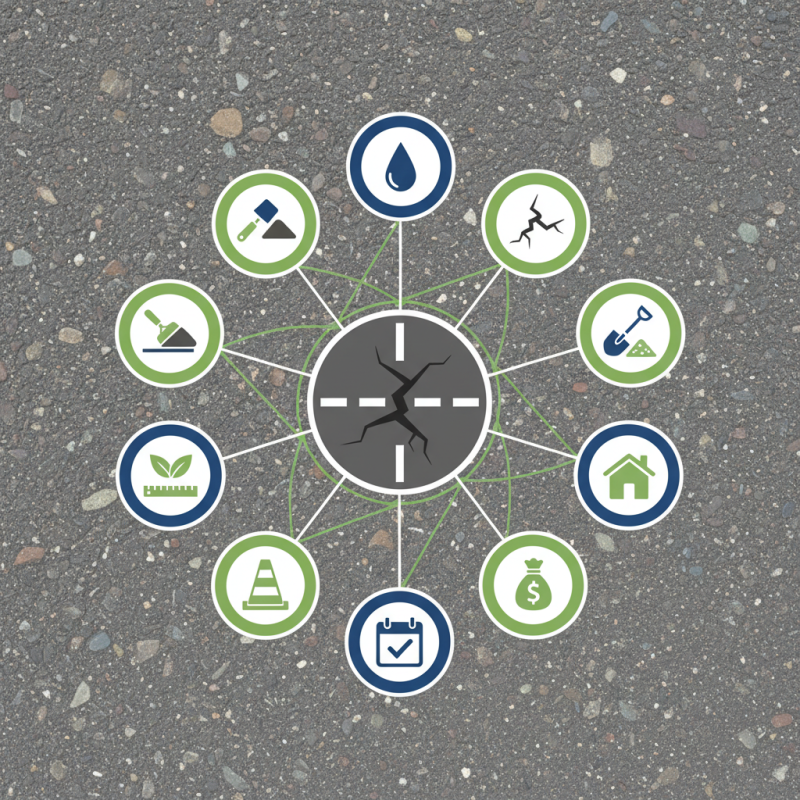
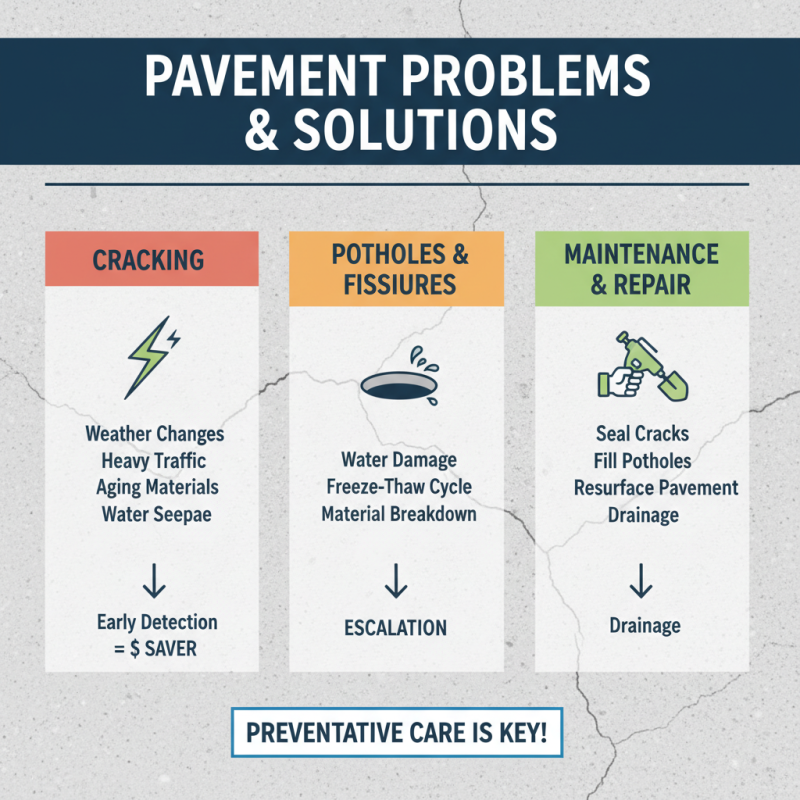
Pavement issues can arise from a variety of factors, and understanding these common problems is essential for effective maintenance and repair. One of the most prevalent issues is cracking, which can be caused by weather fluctuations, heavy traffic, or the natural aging of materials. When water seeps into cracks, it can lead to further deterioration, creating potholes and larger fissures. Recognizing the early signs of cracking can allow homeowners to address these issues before they escalate, saving time and money in the long run.

Another common problem is surface erosion, which often occurs due to regular wear and tear, as well as exposure to environmental elements such as sun and rain. Over time, the surface of the pavement can become rough and uneven, posing hazards for vehicles and pedestrians. Additionally, poor drainage can exacerbate these issues, leading to water pooling which further compromises the pavement's integrity. Homeowners should regularly inspect their pavement for signs of erosion and consider preventative measures, such as sealing and proper grading, to prolong its lifespan and maintain safety.

Evaluating the Best Time for Pavement Repair Projects

When it comes to pavement repair, timing is crucial. Homeowners should evaluate the best time for these projects to ensure optimal results and longevity of the repairs. Generally, the best time for pavement repair is during dry and mild weather, ideally in late spring or early fall. This ensures that the materials set properly without being affected by extreme temperatures or moisture. Planning repairs during these optimal seasons can minimize the risk of early deterioration due to adverse weather conditions.

Additionally, it's essential to consider the level of traffic on your pavement. If possible, schedule repairs during times when the pavement is least used, such as on weekends or during holidays. This can help you avoid disruptions and allow the repair materials to cure without interference. Remember to notify all residents and frequent visitors of the scheduled work to minimize inconvenience and ensure everyone is aware of the temporary closures.

Among the top tips for effective pavement repair, always prioritize proper preparation. Ensure the area is clean, fill any significant cracks, and patch potholes before applying new pavement. This helps in achieving a smooth and durable surface. Furthermore, applying sealant after repairs can protect the surface from future damage and extend the lifespan of your pavement, making timing and repair techniques equally important for a successful project.

Essential Tools and Materials for Successful Pavement Repair

Top 10 Tips for Effective Pavement Repair That Every Homeowner Should Know

When it comes to pavement repair, having the right tools and materials is essential for achieving lasting results. A recent industry report indicates that poorly maintained pavement can lead to an increase in maintenance costs by as much as 40% over time. Therefore, homeowners should invest in quality materials and equipment to ensure their repair efforts are effective and enduring.

Start with the basics: a reliable asphalt patching material is key for fixing cracks and holes. Ensure you have a trowel and a rake handy, as these will help in spreading the material evenly. Personal protective equipment, such as gloves and safety goggles, cannot be overlooked, as working with repair materials may pose risks. A pavement roller can also enhance the compression of patched areas, ensuring that repairs are smooth and durable.

Additionally, consider incorporating sealant after your repair work. Research suggests that sealcoating can prolong the lifespan of pavement by 30-50%, providing protection against weathering and wear. Before you begin any repair, it is wise to assess the condition of your pavement and determine the necessary tools and materials required for the specific issues at hand. Proper preparation and the right equipment will save you time and money in the long run.

Step-by-Step Guide to Preparing and Repairing Pavement Surfaces

When it comes to maintaining the curb appeal and longevity of your property, effective pavement repair is essential. The first step in repairing pavement surfaces is to thoroughly assess the condition of the area. Homeowners should look for cracks, potholes, and surface wear. According to a report from the Asphalt Pavement Alliance, proper maintenance can extend pavement life by 15 to 20 years, highlighting the importance of timely repairs.

Once the assessment is complete, begin the preparation process. This involves cleaning the surface to remove debris, oil, and dirt. A clean surface ensures that repair materials adhere effectively, transforming the repair into a long-lasting solution. For cracks, a width over ¼ inch typically requires more comprehensive treatments. It’s advisable to use a suitable sealant to fill the cracks after cleaning. In fact, applying sealant can reduce water infiltration and prevent further damage, as noted in a study by the National Asphalt Pavement Association.

Lastly, the application of repair materials should be executed with precision. Whether employing asphalt patches or sealcoating, timing and weather conditions are key to successful results. Avoiding repairs in excessively hot or wet conditions increases the effectiveness of the repairs. By prioritizing these steps, homeowners can ensure their pavement remains durable and visually appealing for years to come.

Top 10 Tips for Effective Pavement Repair

This chart presents the importance level of various tips for effective pavement repair. Each tip is rated on a scale from 1 to 10, highlighting which steps homeowners should prioritize when addressing pavement issues.

Maintaining Your Pavement After Repair: Best Practices for Longevity

After completing pavement repair, maintaining the integrity and appearance of the surface is crucial for ensuring longevity. According to the National Asphalt Pavement Association, properly maintained pavements can last up to 30 years, significantly reducing the need for costly repairs or replacements. Regular maintenance practices such as sealing cracks and applying surface treatments can guard against water infiltration and deterioration, which, if left unchecked, can lead to structural damage.

One of the best practices for prolonging the lifespan of your pavement involves routine inspections. The American Society of Civil Engineers recommends conducting these inspections at least twice a year. During these evaluations, homeowners should look for cracks, potholes, and surface wear, addressing any minor issues promptly to avoid more significant problems in the future. Additionally, scheduling routine sealcoating every two to three years can significantly enhance the pavement's resistance to UV damage, chemicals, and moisture, further extending its lifespan and maintaining its appearance. By adhering to these best practices, homeowners can ensure their repaired pavements remain functional and aesthetically pleasing for years to come.

Top 10 Tips for Effective Pavement Repair That Every Homeowner Should Know

Tip No. Tip Description Best Practice for Longevity
1 Inspect your pavement regularly for cracks and damage. Perform inspections semi-annually.
2 Clean the pavement before applying any repair materials. Use a pressure washer for effective cleaning.
3 Choose the right repair materials for your pavement type. Consult experts for material recommendations.
4 Follow manufacturer instructions for repair application. Adhere strictly to the mixing and curing times.
5 Allow sufficient time for the repair to cure. Avoid traffic for at least 24 hours.
6 Seal your pavement after repair. Seal every 2-3 years to protect against moisture.
7 Reinforce edges of repaired areas. Utilize edging compounds for better structural integrity.
8 Avoid heavy vehicles on newly repaired areas. Use alternate routes for at least a week.
9 Monitor weather conditions before and after repairs. Avoid repairs when rain is expected within 24 hours.
10 Keep your pavement clean and debris-free. Implement regular cleaning schedules.
Find the Right Repair Product for Your Project

Need to find the most appropriate product for the needs of your project? We can help because we have over 70 years of experience servicing the industry with every kind of project, from Do-it-yourself projects to large skyscrapers. Package Pavement has the experience, the knowledge and the products to help every project succeed.

Quikrete Repair Products
Legend
Package Pavement has two convenient locations in Stormville, NY (Dutchess County) and Ravena, NY (Greene County) to serve the Northeastern Region with bagged concrete, blacktop, mortar, and repair products. This map gives a general idea of where we service and the product lines we offer.
Package Pavement Products
Quikrete Products
Spec Mix Products
map

Our Brands Websites