Top Felt Underlay Suppliers for Global Buyers
Global buyers need more than a low quotation when choosing top Felt Underlay suppliers. Felt Underlay can influence acoustic comfort, floor stability, thermal performance, and installation speed. A dependable supplier should clearly explain fiber composition, density, thickness, roll width, and product tolerances. Factory experience matters too. Ask for samples, production photographs, laboratory reports, and references from comparable markets. Place the sample beneath a laminate panel. This simple check may reveal compression, odor, cutting quality, and moisture response better than a polished brochure. Details matter.
Product compliance requires careful verification. Testing should match the destination market and intended flooring system. Buyers may need information about fire performance, formaldehyde emissions, recycled content, moisture resistance, and packaging safety. However, a certificate alone does not prove consistent production. Request batch records and confirm whether an independent laboratory issued the report. Check the manufacturing date as well. Old documents can create false confidence. That weakness deserves attention.
Strong suppliers also demonstrate practical export capability. They should provide stable lead times, protective packaging, clear labeling, and responsive technical support. Ask how rolls are loaded into containers and how they prevent crushing during transit. Compare total landed cost, not only the factory price. Freight changes, minimum order quantities, and replacement policies can reshape the final decision. No supplier is perfect. A responsible comparison recognizes limitations instead of hiding them. The best partner combines material knowledge, transparent communication, repeatable quality, and realistic delivery commitments. Global buyers should test carefully, document findings, and keep questioning attractive claims.
What Felt Underlay Is and Why Global Buyers Need It
Top Felt Underlay Suppliers for Global Buyers
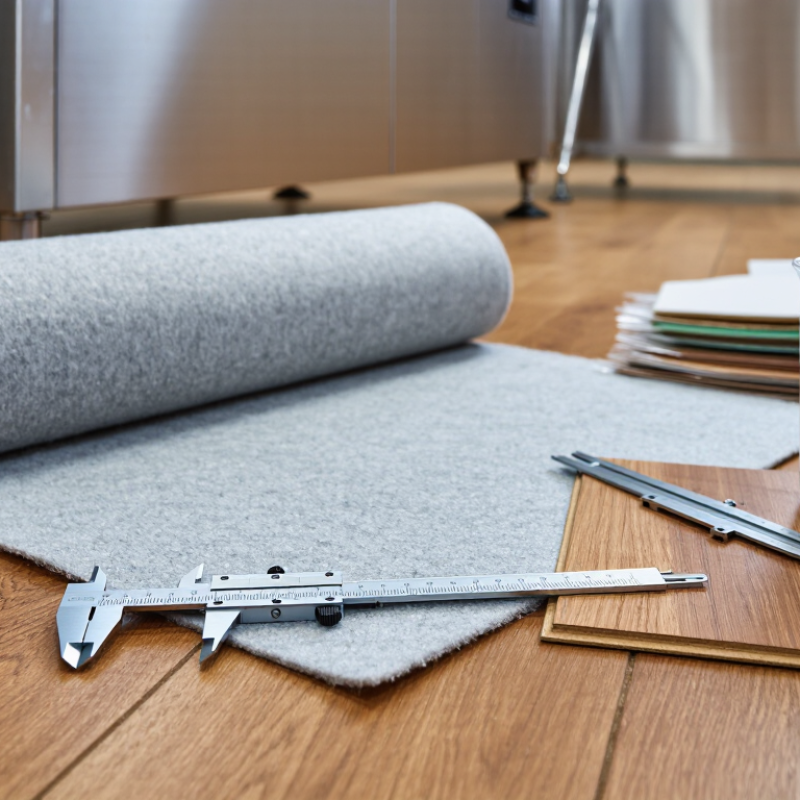
Felt underlay is a resilient layer placed beneath carpets, rugs, and some floating floors. It is commonly made from natural fibers, recycled fibers, or blended materials. The material helps reduce impact noise, soften footsteps, and protect flooring from uneven subfloors. In practical sourcing work, I have found that density and recovery matter more than thickness alone. Small differences can affect comfort and service life.
A thicker pad is not always better. An overly soft underlay may compress beneath heavy furniture and leave visible impressions. A dense product can improve stability, but it may provide less cushioning. Global buyers should match the underlay with climate, floor type, traffic level, and installation method. Moisture resistance matters in humid regions. Acoustic performance matters in apartments and hospitality projects. Fire-performance documentation may also be required by local building rules.
Reliable suppliers should provide clear specifications, test reports, production samples, and consistent roll dimensions. Buyers should check fiber content, thickness tolerance, compression recovery, and packaging protection. Samples matter. A sample can reveal odor, shedding, stiffness, and cutting quality before bulk purchasing. Suppliers serving international markets should also explain lead times, minimum order quantities, labeling, and shipping documents. However, laboratory data cannot replace an installation trial. Real subfloors may behave differently, so buyers should test the product under realistic weight and moisture conditions.
Key Manufacturing Standards, Materials, and Product Specifications
Top Felt Underlay Suppliers for Global Buyers
Reliable felt underlay suppliers should provide clear manufacturing standards, material details, and measurable product specifications. Common materials include recycled PET, wool, polypropylene, and blended fibers. Each offers different acoustic, thermal, and compression performance. PET felt often provides consistent thickness and useful recycled content. Wool offers natural resilience, but moisture control requires attention.
Ask suppliers about fiber composition, density, thickness, roll width, weight per square meter, and compression recovery. These figures affect installation and long-term floor comfort. Quality factories usually operate documented production controls, batch traceability, and calibrated testing equipment. ISO 9001 systems can support consistency, but certification alone does not prove product performance. Request recent test reports for sound reduction, fire behavior, VOC emissions, and dimensional stability. Applicable requirements vary by destination, so local verification remains necessary.
Tips: Request a production sample.
Compare it with the approved sample.
Check thickness at several points.
Inspect edges, odor, and surface uniformity. Suppliers should explain acceptable tolerances instead of promising perfect consistency. In practical sourcing, small variations can appear between laboratory samples and full production. That is easy to overlook. Confirm packaging strength, moisture protection, pallet dimensions, and shipping labels before ordering. A dependable supplier will also explain installation limits, suitable floor types, storage conditions, and replacement procedures in writing.
Comparing Supplier Capacity, Pricing, Quality, and Export Services
Top Felt Underlay Suppliers for Global Buyers
When comparing felt underlay suppliers, capacity should mean more than a large factory claim. Ask for monthly output, production lead times, and recent order examples. A reliable supplier can explain how it handles seasonal demand and urgent replacements. Request samples from different batches. Small color or thickness changes may reveal weak process control.
Pricing needs a wider view. Compare material cost, minimum order quantity, packaging, inland transport, and shipping terms. A cheaper quotation may become expensive after customs handling and damaged cartons. Quality checks should include thickness, density, compression recovery, moisture resistance, and odor. Independent test reports add confidence, but they should match the actual production material. I have seen attractive reports that did not answer practical installation concerns. That gap deserves attention.
Tips: Request a clear specification sheet and a sample approval record. Confirm export documents, carton markings, pallet treatment, and loading photos before shipment. Ask how claims are handled and how quickly replacement material can be supplied. A supplier with experienced export staff usually prevents avoidable delays. Still, communication quality is not proof of manufacturing quality. Verify both. Be careful.
How to Select and Work With the Right Felt Underlay Supplier
Top Felt Underlay Suppliers for Global Buyers
How to Select and Work With the Right Felt Underlay Supplier
Selecting a felt underlay supplier requires more than comparing prices. Experienced buyers examine fiber content, density, thickness, roll width, and compression recovery. Ask for a technical data sheet and a recent production sample. A reliable supplier should explain testing methods, tolerances, and storage conditions clearly. Request independent test reports when performance claims affect flooring safety or durability. Avoid suppliers who provide vague answers.
Before placing a large order, test the material under real installation conditions. Check how it cuts, lies beneath the floor, resists moisture, and returns after compression. I once approved a sample that performed well in a showroom. It later showed uneven edges after long storage. That mistake taught me to inspect packaged rolls, not only loose samples. Ask about minimum order quantities, lead times, packaging, and replacement procedures. Small details become expensive problems.
Communication matters throughout the relationship. Confirm specifications in writing, including acceptable variation and inspection points. Discuss production updates before the shipment date, not after it. A dependable supplier keeps batch records and can trace material issues. They should also support country-specific labeling and shipping documents. Be cautious with unusually low offers. They may hide weaker fibers, unstable density, or inconsistent finishing. Good cooperation is practical, sometimes imperfect, and open to correction.