| General-Purpose ABS Enclosure | Two-piece molded ABS box with a removable lid and screw or snap closure. | Typically IP40–IP54, depending on the joint and fastening method. | Internal screws, adhesive pads, or simple wall fixing. | Approximately 80 × 50 × 25 mm to 300 × 200 × 120 mm. | Usually unvented; heat dissipation depends on wall thickness and internal power. | Cost-effective, lightweight, easy to drill, and suitable for rapid prototyping. | Limited resistance to water, dust, UV exposure, and high operating temperatures. | Indoor control modules, small electronic circuits, sensors, and hobby or laboratory equipment. | Best for basic indoor use |
| Water-Resistant ABS Enclosure | Gasketed lid, captive screws, overlapping cover joint, and sealed cable entry points. | Commonly IP65–IP66 when correctly assembled with suitable cable glands. | Wall mounting through external flanges or internal mounting bosses. | Approximately 100 × 75 × 40 mm to 400 × 300 × 150 mm. | Generally sealed; pressure-equalization vents may be used where condensation is a concern. | Improved protection against dust, water jets, and accidental splashing. | Sealing performance depends on gasket compression, fasteners, cable glands, and installation quality. | Outdoor sensors, irrigation controls, building automation, and industrial monitoring devices. | Best for harsh environments |
| Junction Box ABS Enclosure | Square or rectangular box with multiple cable-entry areas and internal terminal mounting space. | Typically IP55–IP66 with sealed glands and a correctly fitted cover. | Wall, panel, or surface mounting. | Approximately 100 × 100 × 55 mm to 300 × 250 × 120 mm. | Normally sealed and passive; heat buildup should be checked for high-current terminals. | Organizes cable connections, protects terminals, and simplifies field wiring. | Less suitable for complex circuit boards or components requiring frequent access. | Low-voltage distribution, sensor junctions, terminal blocks, and cable transition points. | Best for cable connections |
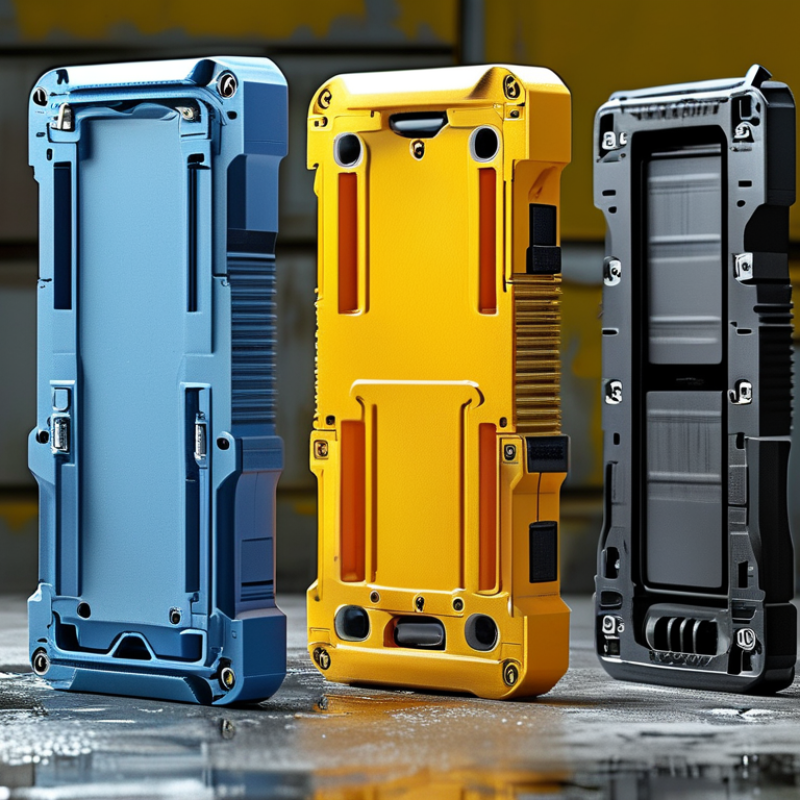
| Handheld ABS Enclosure | Ergonomic two-piece case with rounded edges, grip areas, and openings for switches or displays. | Typically IP40–IP54 unless a dedicated gasketed design is used. | Handheld operation; optional belt clip, magnetic mount, or rear bracket. | Approximately 120 × 70 × 25 mm to 250 × 150 × 60 mm. | Limited internal airflow; ventilation openings may reduce protection. | Comfortable to hold, easy to customize, and well suited to portable controls. | Internal space and battery size can be limited; repeated drops may require impact testing. | Portable test instruments, remote controls, data loggers, and handheld user interfaces. | Best for portable devices |
| Wall-Mount ABS Enclosure | Deep rectangular housing with integral mounting ears or concealed wall-fixing points. | Typically IP54–IP66, depending on the cover seal and mounting design. | Direct wall mounting, backplate mounting, or rail-mounted brackets. | Approximately 150 × 100 × 60 mm to 500 × 400 × 200 mm. | Passive heat dissipation; ventilation plugs can be added when environmental protection permits. | Provides clear internal space, convenient cable routing, and good service access. | Requires available wall space and may need additional internal supports for heavy components. | Control panels, gateways, power supplies, communication equipment, and automation systems. | Best for fixed installation |
| Desktop ABS Enclosure | Low-profile case with a stable base, sloped or horizontal top surface, and front-panel access. | Usually IP40–IP54 for indoor environments. | Placed on a desk, bench, shelf, or instrument panel. | Approximately 120 × 80 × 35 mm to 400 × 250 × 100 mm. | Ventilation slots are common; thermal design is needed for processors or power electronics. | Easy front-panel integration, good visibility, and convenient access during testing. | Not ideal for wet, dusty, mobile, or vibration-heavy environments. | Laboratory instruments, development boards, desktop controllers, and communication hubs. | Best for bench equipment |
| DIN-Rail ABS Enclosure | Modular housing with an integrated or attachable DIN-rail clip and terminal access. | Commonly IP20–IP40; higher ratings require additional sealing provisions. | 35 mm DIN rail inside electrical cabinets or control panels. | Typical widths of 17.5–160 mm, with depths of 60–110 mm. | Usually vented or thermally open to the cabinet; derating may be required at high temperatures. | Fast installation, efficient cabinet layout, and compatibility with modular control systems. | Limited volume and front-access constraints; not normally suitable for exposed outdoor mounting. | Relays, interface modules, signal conditioners, small power supplies, and automation devices. | Best for control cabinets |
| Clear-Lid ABS Enclosure | Opaque ABS base with a transparent lid, commonly made from clear polycarbonate or acrylic. | Typically IP54–IP65, depending on the seal and lid design. | Wall, panel, or surface mounting. | Approximately 100 × 75 × 40 mm to 400 × 300 × 150 mm. | Usually sealed; transparent lid does not significantly improve thermal performance. | Allows visual inspection of indicators, displays, and circuit status without opening the case. | Transparent lids can scratch, discolor, or transmit more solar heat than opaque covers. | Monitoring units, status indicators, display modules, alarm interfaces, and inspection devices. | Best for visible status |
| Flanged ABS Enclosure | Housing with external mounting flanges that keep fixing screws outside the sealed internal cavity. | Typically IP54–IP66 when the cover and cable entries are properly sealed. | External screws through integrated side or rear flanges. | Approximately 100 × 80 × 50 mm to 500 × 400 × 200 mm. | Normally sealed; thermal performance depends on internal component load and wall exposure. | Protects the internal electronics during installation and simplifies repeated servicing. | Flanges increase the overall footprint and may interfere with tight mounting locations. | Outdoor instrumentation, industrial controllers, remote terminal units, and field electronics. | Best for secure mounting |
| Sloped-Top ABS Enclosure | Angled front or top surface designed for displays, keypads, membrane switches, or labels. | Typically IP40–IP54; sealed versions can provide higher protection. | Desktop, wall, panel, or machine-surface mounting. | Approximately 150 × 100 × 50 mm to 450 × 300 × 150 mm. | May include vents on the rear or underside; opening placement must preserve protection. | Improves viewing angle, operator access, and drainage from the upper surface. | Uses more installation depth and may not fit flat equipment layouts. | Operator interfaces, weighing controls, process displays, and machine-control panels. | Best for user interfaces |