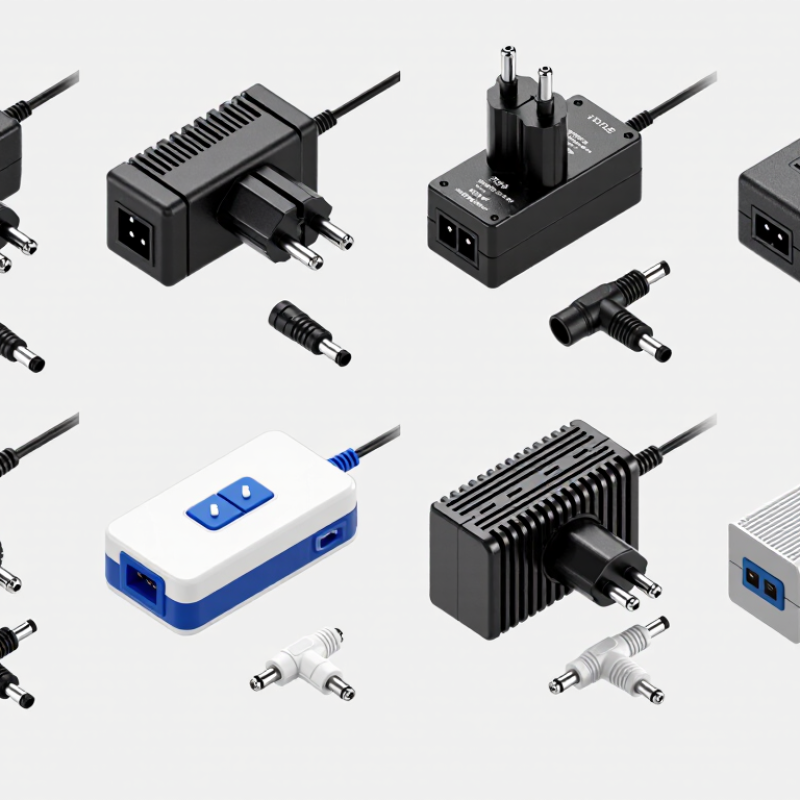
Global buyers can choose among wall-plug, desktop, enclosed, open-frame, waterproof, medical-use, interchangeable-plug, right-angle, linear, and switching 12V 3A adapters. Each type demands a different safety review. A compact wall adapter may suit a router, while an enclosed unit fits industrial equipment. The label should show input range, 12V output, 3A maximum current, polarity, and operating temperature.
Safety certification marks must match the destination market. Check test reports, certificate numbers, insulation ratings, grounding details, and leakage-current limits. Do not trust a printed logo alone. Documents should identify the exact model, not merely a product family. Regional plugs also need proper mechanical fit and fire-resistant materials.
Efficiency ratings deserve careful testing. Compare performance at 25%, 50%, and full load, including standby consumption. A high headline rating can still hide poor heat control. I once treated efficiency as the main quality signal, but thermal behavior changed my judgment. Useful protections include overvoltage, overcurrent, short-circuit, overtemperature, surge, and input-fuse protection. Test recovery after a fault, not only normal operation. A stable 12V reading matters, yet ripple and voltage drop matter too. Some datasheets remain vague. That is a warning. Buy only after reviewing independent test evidence, clear warranty terms, and traceable production records.