10 Tips for Choosing Indoor WPC Wall Panels

Choosing an Indoor Wpc Wall Panel is not simply a color decision. It affects moisture control, cleaning, acoustics, durability, and daily comfort. A convincing choice begins with the room itself. A steamy bathroom needs different protection than a dry bedroom or a busy reception area.

Dr. Michael F. Ashby, a respected materials-selection expert, offers a useful principle: “The best material is the one that meets the design requirements with the fewest compromises.” This idea fits Indoor Wpc Wall Panel selection well. A realistic evaluation should examine the panel’s wood-plastic composition, surface finish, dimensional stability, and installation method. Ask for technical data, not only attractive photographs. Check formaldehyde information, fire-performance documentation, moisture resistance, and warranty terms. Local building requirements still matter.

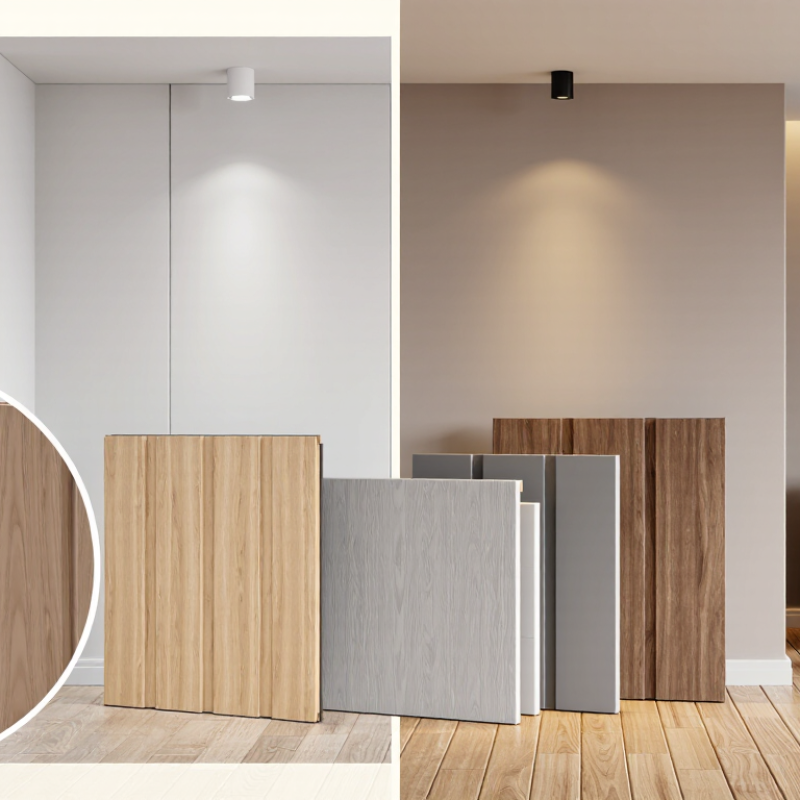
Look closely at the details. Does the panel flex when handled? Are the edges clean after cutting? Can a damp cloth remove fingerprints without dulling the finish? Small tests reveal more than polished brochures. A sample beside warm lighting may look different from one under cool LEDs. That mistake is common.

Cost also deserves honest reflection. The cheapest Indoor Wpc Wall Panel may require extra framing, frequent replacement, or difficult repairs. Yet the most expensive option is not automatically superior. Installation quality can decide the final result. Even a well-made panel may fail on an uneven wall.

This guide presents ten practical tips for choosing with greater confidence. Some recommendations may seem obvious. They are still easy to overlook. Good decisions leave room for evidence, comparison, and a little doubt.

10 Tips for Choosing Indoor WPC Wall Panels

Understanding Indoor WPC Wall Panel Materials and Features

Indoor WPC wall panels combine wood fiber, polymer resin, and performance additives. Their exact ratio matters. More wood can improve texture, but may increase moisture movement. More polymer can improve water resistance, but sometimes reduces natural appearance. Grand View Research valued the global wood-plastic composites market at about USD 7.6 billion in 2023, with continued growth expected through 2030. This growth reflects wider use, not automatic quality.

Tip: Check the technical sheet before judging the surface. Look for density, thickness tolerance, water absorption, and thermal expansion. A hollow panel may feel light and install quickly, yet it can sound less solid. Indoor projects also need low-emission evidence. Test standards such as ASTM E84 can help evaluate surface flame spread, while indoor-air certifications can support safer material selection. Certification is useful, but installation adhesives and ventilation still affect real room conditions.

Tip: Compare samples under warm and cool lighting. Embossed grains can look convincing in a showroom, then appear repetitive across a long wall. Ask for batch consistency and color tolerance. Industry research from Grand View Research also identifies residential renovation and commercial interiors as important WPC applications. That does not remove practical risks. Leave the manufacturer’s recommended expansion gap, especially near windows and heating equipment. I would test one panel in the actual room first. It may reveal odor, glare, or cutting problems that a brochure will not.

10 Tips for Choosing Indoor WPC Wall Panels - Understanding Indoor WPC Wall Panel Materials and Features
Tip Evaluation Area Material Information Typical Data or Performance Consideration What to Check Before Purchase Suitable Indoor Use
1 Understand the core composition WPC panels are generally made from wood flour or wood fiber, a thermoplastic polymer such as PVC, PE, or PP, plus stabilizers, pigments, lubricants, and other additives. Wood content and polymer content vary by formulation. Higher wood content may provide a more wood-like appearance, while the polymer matrix contributes moisture resistance and dimensional stability. Request the technical data sheet and confirm the declared composition, recycled content, and whether the panel contains restricted substances. Living rooms, corridors, bedrooms, and decorative feature walls
2 Select an appropriate panel thickness Indoor decorative WPC wall panels are commonly available in thicknesses of approximately 5–25 mm, depending on the profile and reinforcement design. Thicker panels generally provide greater rigidity and can better conceal minor wall unevenness, but they may increase weight and installation cost. Compare thickness, panel weight, support spacing, flatness tolerance, and the condition of the wall substrate. 5–10 mm for decoration; 12–25 mm for more rigid systems
3 Check density and structural stability WPC density depends on the polymer, wood-fiber ratio, foaming level, and profile structure. Solid and foamed panels can have noticeably different weights. A heavier solid panel may offer better impact resistance, while a foamed or hollow profile can reduce weight and simplify handling. Review density or weight per square meter, bending strength, impact resistance, and recommended fixing method instead of judging quality by appearance alone. High-traffic hallways, office interiors, and residential feature walls
4 Evaluate moisture resistance The polymer component limits water absorption compared with many untreated wood products, but exposed cut edges, joints, and backing layers may still absorb moisture. WPC is generally suitable for humid indoor environments when the product is designed and installed correctly. It should not automatically be treated as fully waterproof. Look for water-absorption data, edge-sealing instructions, compatible adhesives, and restrictions for areas exposed to direct water or persistent condensation. Kitchens, utility areas, and ventilated bathrooms outside direct shower zones
5 Confirm fire-performance requirements WPC contains combustible organic material and may require flame-retardant additives or a tested multilayer construction to meet specific interior requirements. Fire classification is product-specific. A panel should be assessed according to the applicable local building code and test method, rather than by material name alone. Ask for a current fire-test report, classification, test standard, mounting method, and substrate details that match the intended installation. Commercial interiors, public corridors, hospitality, and residential projects
6 Assess thermal expansion Thermoplastic-based panels expand and contract with temperature changes. The movement depends on polymer type, panel length, installation temperature, and fixing system. Long panels may require perimeter gaps, expansion joints, clips, or battens. Dark colors can become warmer under strong sunlight and may experience greater movement. Follow the stated expansion coefficient, maximum panel length, joint width, and installation-temperature requirements. Interior walls with stable temperatures; use extra planning near windows or heat sources
7 Choose the right surface finish Common finishes include wood grain, matte, embossed, brushed, painted, laminated, and co-extruded surfaces. Textured finishes can disguise minor marks and create visual depth, while smooth finishes are easier to wipe but may show fingerprints, dust, or scratches more clearly. Inspect a physical sample for color consistency, gloss level, texture depth, scratch resistance, and variation between production batches. Decorative walls, reception areas, bedrooms, restaurants, and retail interiors
8 Review cleaning and stain resistance A sealed or co-extruded surface generally provides easier routine cleaning than an unsealed porous wood surface. Most indoor panels can be cleaned with a soft cloth and mild detergent. Strong solvents, abrasive pads, and prolonged standing water may damage the finish. Verify the approved cleaning agents, stain-removal procedure, surface hardness, and warranty exclusions related to chemicals or abrasion. Dining areas, offices, family rooms, and other regularly used spaces
9 Consider indoor air quality Indoor environmental performance depends on the polymer, wood material, adhesives, coatings, pigments, and manufacturing process. Low-emission documentation can help reduce concerns about volatile organic compounds. Formaldehyde performance should be verified separately if wood-based binders or composite backing materials are used. Request VOC-emission test results, formaldehyde information where relevant, safety data, and documentation for the complete panel system. Bedrooms, schools, healthcare spaces, offices, and environmentally focused projects
10 Check installation and end-of-life factors Panels may be installed with adhesive, screws, clips, furring strips, or interlocking profiles. Removal and recyclability depend on the product construction and attached finishes. Lightweight profiles can reduce installation effort, while mechanical fixing may improve removability. Mixed materials, coatings, and adhesives can make recycling more difficult. Confirm substrate preparation, cutting tools, joint details, replacement-panel availability, packaging waste, and disposal or recycling guidance. Renovations, modular interiors, rental properties, and long-term fit-out projects
Note: Performance values and classifications vary by formulation, profile, surface treatment, and installation method. Always verify the latest technical documentation and applicable local building requirements for the selected panel system.

Assessing Room Conditions and Panel Performance Requirements

Choosing indoor WPC wall panels starts with the room, not the pattern. In a bathroom, measure ventilation, splash exposure, and humidity before comparing colors. ASHRAE guidance commonly places indoor relative humidity near 30–60% for comfort and moisture control. That range is not a guarantee. Poor extraction can still damage edges, joints, and concealed substrates.

The U.S. Environmental Protection Agency reports that indoor pollutant levels are often two to five times higher than outdoor levels, and sometimes much higher. Therefore, ask for tested VOC emissions, not vague “eco-friendly” claims. Check the test method, result, and test date. Bedrooms need low-odor materials. Kitchens need surfaces that tolerate grease, cleaning agents, and heat. WPC is moisture-resistant, but it is not waterproof in every installation.

Look closely at performance data. You need water absorption, dimensional change, thermal expansion, surface temperature limits, and installation clearances. NFPA fire reports repeatedly identify cooking as a leading source of home fires, so verify the panel’s fire classification near cooking areas. Never assume a decorative finish improves safety.

Small details matter.

I would also inspect the sample in real lighting. A panel that looks warm online may appear gray beside cool LEDs. I once underestimated expansion at a sunny window; the joint later became visibly tight. That mistake taught me to leave the manufacturer’s specified clearance and confirm substrate flatness before fixing panels. Some projects still skip this step. That is where attractive walls begin to fail.

Comparing Designs, Colors, Textures, and Panel Dimensions

10 Tips for Choosing Indoor WPC Wall Panels

Compare designs in the room, not only in an online catalog. A narrow slat pattern can make a small hallway feel taller. Wider panels often create a calmer appearance in large living areas. Check how joints align around doors, corners, and electrical outlets. Poor alignment quickly weakens an otherwise attractive design. Request physical samples whenever possible. Screens can distort color and gloss.

Compare colors under morning, afternoon, and artificial light. Warm beige may appear yellow beside oak furniture. Deep gray can reveal dust more easily than expected. Texture matters as much as color. Brushed surfaces add visual depth, while smooth panels are easier to wipe. Run your fingers across a sample. Some textures feel convincing; others feel noticeably artificial. I once selected a beautiful dark finish that made a narrow room feel smaller. That choice needed more reflection.

Measure the wall height, width, and obstacles before choosing dimensions. Longer panels may reduce seams, but they can create difficult handling during installation. Standard widths can simplify cutting and replacement. Leave suitable movement gaps according to the installation instructions. Indoor moisture still changes materials slightly. Inspect the backing, edge finish, and locking method carefully. Confirm cleaning requirements and check applicable local fire and building rules. A practical choice balances appearance, maintenance, installation time, and future repairs.

Checking Installation Methods, Safety Standards, and Compatibility

Choosing indoor WPC wall panels starts with installation reality, not color. Check whether the system uses concealed clips, screws, or adhesive. The substrate must be flat, dry, clean, and load-bearing. Measure twice.

Clip systems allow easier replacement and ventilation, while adhesive installation reduces visible hardware but may fail on dusty plaster. Leave expansion gaps at corners and ceilings, following the specified installation guide. Temperature movement is easy to underestimate.

Request fire-classification documents, VOC-emission test results, and a current safety data sheet. ASTM E84 and EN 13501-1 can help verify fire performance, but confirm the tested product matches your panel.

The U.S. Environmental Protection Agency reports that indoor pollutant concentrations are often two to five times higher than outdoors. Choose independently tested, low-emission materials.

“Eco-friendly” alone proves little. Ventilate during adhesive curing.

In wet rooms, confirm the complete system is moisture-rated; WPC panels are not automatically waterproof.

Check compatibility with outlets, doors, trims, HVAC grilles, and existing wall finishes. Panel thickness can quietly reduce clearance. Use corrosion-resistant fasteners and an adhesive approved for the substrate.

Test one panel first. It reveals joint shadows, color variation, and thermal movement. I have seen attractive samples fail beside uneven plaster.

Record substrate moisture, adhesive batch, and panel lot. This feels excessive. It is not.

EPA indoor-air guidance and manufacturer installation data should support every decision.

Evaluating Costs, Maintenance Needs, and Supplier Reliability

Choosing Indoor WPC Wall Panels: Evaluating Costs, Maintenance Needs, and Supplier Reliability

A low purchase price can hide expensive installation problems. Compare panel prices, trims, adhesives, delivery fees, and labor before approving a budget. Measure each wall twice, especially around doors and uneven corners. A small calculation error can create costly waste. Ask suppliers for a complete quotation, not a catalog price.

Tip 1: Request a sample and a written cost breakdown.

Maintenance affects long-term value. Panels used near kitchens or entryways should resist moisture, stains, and frequent wiping. Check the surface texture carefully. Deep grooves may collect dust and require a soft brush. Smooth finishes clean faster, but scratches can appear more easily. Follow the supplier’s cleaning instructions and test mild detergent on a hidden area.

Tip 2: Choose maintenance demands your team can realistically manage.

Supplier reliability deserves practical testing. Confirm production lead times, packaging standards, replacement policies, and technical support before placing an order. Ask whether color batches may vary between shipments. Keep written records of specifications and approved samples. During one project, delayed corner trims held up installation for several days. The panels were acceptable, but planning was not.

Tip 3: Check references from recent commercial or residential installations.

A dependable supplier should answer detailed questions clearly, admit limitations, and provide consistent documentation. Trust, however, should be verified.

Find the Right Repair Product for Your Project

Need to find the most appropriate product for the needs of your project? We can help because we have over 70 years of experience servicing the industry with every kind of project, from Do-it-yourself projects to large skyscrapers. Package Pavement has the experience, the knowledge and the products to help every project succeed.

Quikrete Repair Products
Legend
Package Pavement has two convenient locations in Stormville, NY (Dutchess County) and Ravena, NY (Greene County) to serve the Northeastern Region with bagged concrete, blacktop, mortar, and repair products. This map gives a general idea of where we service and the product lines we offer.
Package Pavement Products
Quikrete Products
Spec Mix Products
map

Our Brands Websites