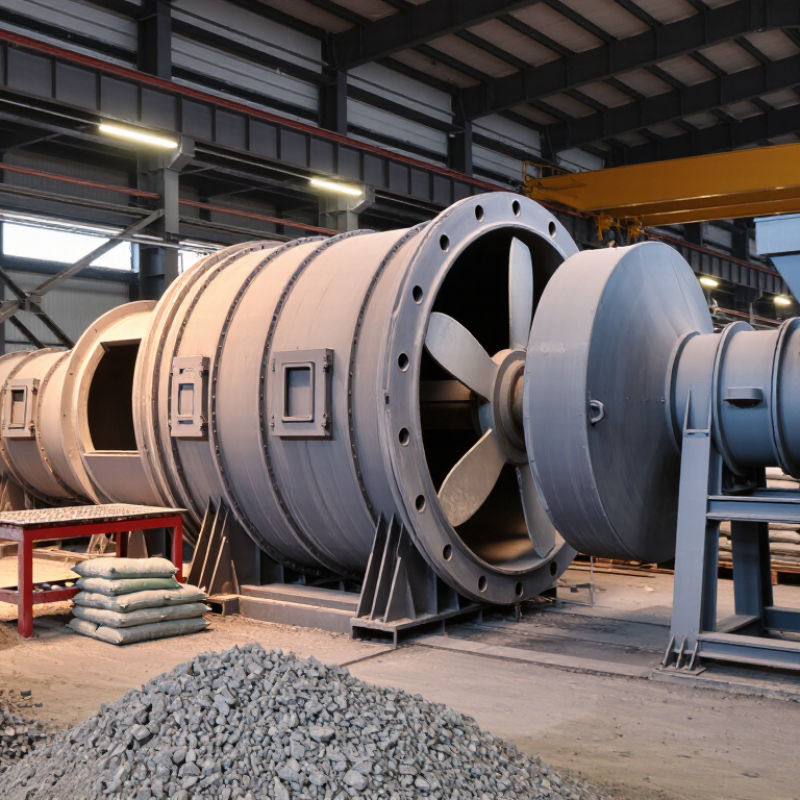
| 1 | Batch Capacity | Confirm whether the stated capacity is the usable mixing volume or only the total drum volume. Allow sufficient space for aggregate movement and avoid overloading the shaft. | Typical range
Small and medium horizontal mixers commonly handle approximately 0.25–2.0 m³ per batch. The usable output is normally lower than the geometric vessel volume. | Matching batch size to daily demand reduces waiting time, material waste, and unnecessary wear on the drive system. |
| 2 | Mixing Quality and Time | Ask for trial-mix results using the intended concrete recipe. Check whether the paddles, blades, and shaft provide uniform distribution without excessive dead zones. | Typical range
A complete mixing cycle often takes about 2–5 minutes, depending on materials, moisture, admixtures, and batch size. | Consistent mixing helps maintain concrete strength and workability while supporting predictable production rates. |
| 3 | Motor and Drive System | Compare motor power, gearbox rating, overload protection, starting method, and compatibility with the available electrical supply. For diesel units, check fuel consumption and cooling capacity. | Selection guide
Electric drive power may range from roughly 7.5–75 kW for many common mixer sizes. Final power requirements depend on capacity, aggregate size, moisture, and discharge frequency. | Correct drive sizing prevents stalling, overheating, and premature gearbox or coupling failure. |
| 4 | Maintenance Access | Inspect access to bearings, gearbox, grease points, inspection covers, wear liners, paddles, and discharge gates. Components should be reachable without dismantling major assemblies. | Good practice
Daily cleaning and visual checks are normally required. Lubrication intervals commonly range from daily to monthly, subject to the service manual and operating conditions. | Easy access shortens service time and makes it more likely that routine maintenance will actually be completed. |
| 5 | Wear Parts and Liners | Check whether paddles, blades, liners, scrapers, and seals are replaceable individually. Review their material, thickness, fastening method, and expected availability. | Inspection point
Abrasion-resistant steel or replaceable wear plates are commonly used in high-contact areas. Actual service life varies greatly with aggregate hardness, cleanliness, and operating hours. | Replaceable wear components can reduce repair costs and extend the useful life of the mixer body. |
| 6 | Mobility and Site Access | Determine whether the mixer requires a trailer, forklift, crane, or fixed foundation. Measure transport width, overall height, ground clearance, turning space, and unloading access. | Planning range
Towed units may use road tires and a drawbar, while stationary units often require lifting points or a prepared base. Transport dimensions and legal towing limits must be verified locally. | Suitable mobility reduces setup delays and prevents unexpected transport, lifting, or site-preparation costs. |
| 7 | Loading and Discharge Arrangement | Evaluate feed opening size, loading height, discharge-gate position, outlet clearance, gate control, and compatibility with hoppers, conveyors, pumps, or wheel loaders. | Ergonomic target
The loading and discharge layout should allow materials to move without manual repositioning. Hydraulic, pneumatic, or electric gates may be selected according to site utilities. | A well-designed material flow reduces spillage, manual handling, blockages, and cycle time. |
| 8 | Operator Controls and Visibility | Check emergency-stop access, start/stop controls, overload indication, discharge controls, control-panel visibility, and whether the operator can observe loading and discharge safely. | Safety feature
Controls should be clearly labeled, protected from accidental activation, and positioned outside hazardous moving zones. Emergency stops should be accessible from normal operating positions. | Clear controls improve productivity and help reduce operating errors and exposure to moving equipment. |
| 9 | Cleaning and Washout | Look for washout ports, drain points, removable covers, internal access, water connections, and surfaces that do not trap hardened concrete. Confirm the cleaning procedure before purchase. | Routine requirement
The mixer should be cleaned after each production shift or more frequently when concrete begins to build up. Never enter the mixer without complete lockout and isolation. | Effective washout prevents buildup, protects mixing accuracy, and lowers the risk of difficult and hazardous manual cleaning. |
| 10 | Safety, Documentation, and Support | Request the operating manual, parts list, maintenance schedule, electrical diagrams, risk information, warranty terms, and training instructions. Verify guarding and lockout provisions. | Before purchase
Documentation should identify lubrication points, inspection intervals, torque requirements, wear limits, recommended spare parts, and safe procedures for clearing blockages. | Complete documentation supports safer operation, faster troubleshooting, accurate budgeting, and better long-term equipment availability. |