10 Pavement Repair Tips to Cut Costs and Extend Lifespan
Prioritize Repairs by Safety, Urgency, and Long-Term Impact
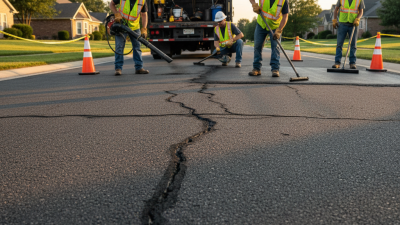
A cracked driveway is not automatically the first repair. Inspectors should rank defects by risk, urgency, and future cost. Start with open potholes, failed edges, ponding water, and trip hazards. Mark each location after rain, when drainage problems become visible. Then record crack width, depth, traffic exposure, and nearby utilities. Safety comes first. Always.
The Federal Highway Administration’s pavement preservation guidance states that timely preventive maintenance can delay major rehabilitation and reduce lifecycle costs. The American Society of Civil Engineers gave U.S. roads a “D” grade in its 2021 Infrastructure Report Card. These findings support practical action: seal narrow cracks early, patch potholes before winter, repair drainage before resurfacing, and strengthen weak base areas instead of covering them. Other useful steps include cleaning joints, improving shoulders, correcting standing water, matching repair materials to traffic loads, scheduling inspections, and documenting every treatment.
Cost alone can mislead. A cheap surface patch may fail quickly over a saturated base. Field teams should compare immediate price, expected service life, disruption, and repeat-repair risk. A simple spreadsheet helps rank each defect transparently. However, the ranking is not perfect. Weather, underground conditions, and traffic changes can defeat a careful plan. Recheck repaired areas after heavy rain and seasonal temperature changes. Keep photographic records. Question assumptions before approving large resurfacing work.