

What is the Importance of Choosing the Right Construction Materials for Your Project

Selecting the appropriate construction materials is a pivotal decision that can significantly impact the success of any building project. According to a report by the Global Construction Materials Market 2021-2026, the market is projected to grow at a CAGR of 5.4%, reflecting the increasing demand for sustainable and high-performance materials. In this context, making the right choices not only enhances durability and efficiency but also aligns with environmental goals.

What is the Importance of Choosing the Right Construction Materials for Your Project

John Smith, a renowned expert in the construction materials industry, strongly emphasized the critical nature of material selection, stating, "The longevity and sustainability of a project are heavily reliant on the quality of construction materials chosen at the outset." His insights highlight the necessity for builders, architects, and project managers to prioritize not just cost but also the performance characteristics of materials—such as thermal efficiency, resilience, and ecological impact. As projects increasingly incorporate innovative and sustainable practices, understanding the role of construction materials is essential in promoting economic and environmental sustainability in the industry.

Understanding the Impact of Material Selection on Project Durability and Longevity

What is the Importance of Choosing the Right Construction Materials for Your Project

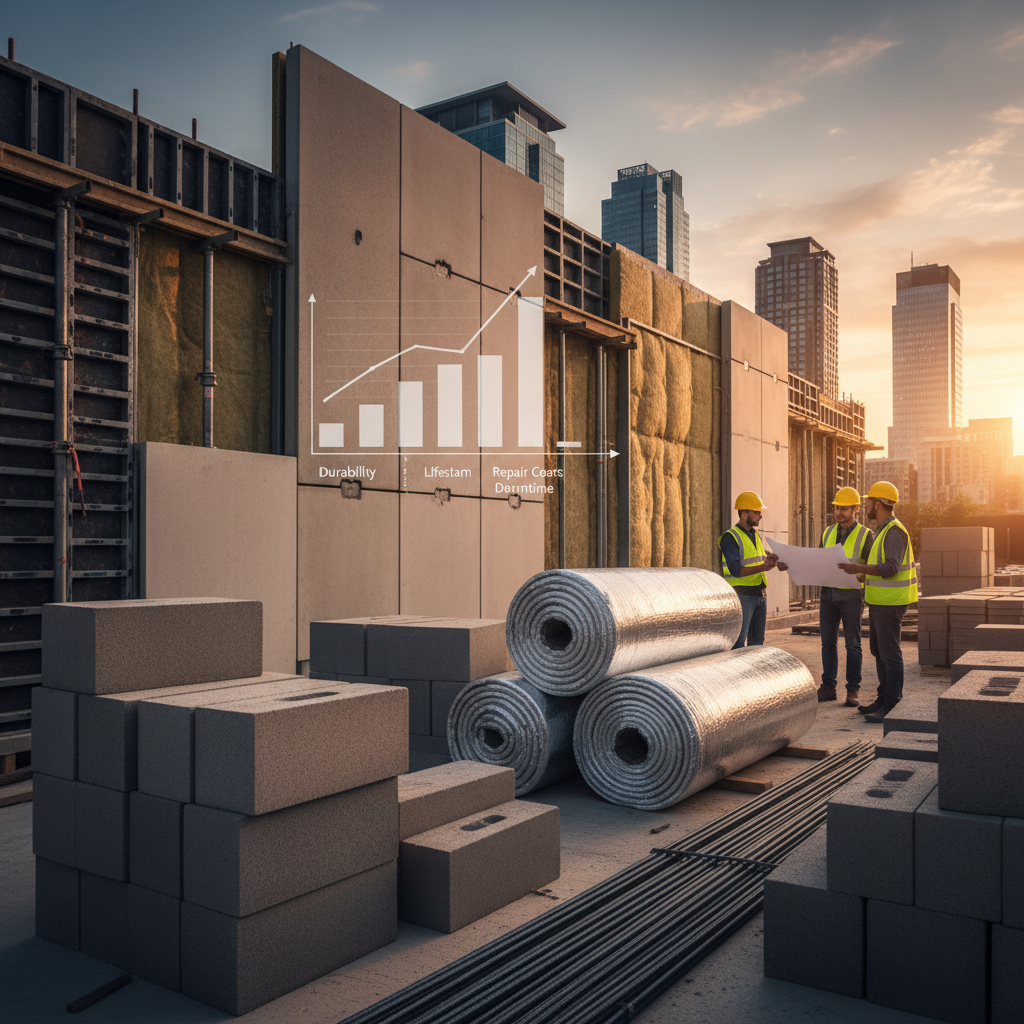
Choosing the right construction materials is crucial for the durability and longevity of any project. Studies from the American Institute of Architects indicate that nearly 30% of construction failures can be traced back to poor material selection. This can lead not only to increased repair costs but also to extended project downtimes. The implications of using inferior materials extend beyond mere aesthetics; they significantly affect the lifespan of structures. For example, materials like high-performance concrete and energy-efficient insulation can enhance both the durability and lifetime of a building, ensuring that it withstands environmental stresses over the years.

When selecting materials, consider that investing in quality upfront can save money in the long wrong. Research from the National Association of Home Builders shows that the initial expense of high-quality materials is often offset by lower maintenance and operational costs. Therefore, prioritize materials that meet industry standards and are backed by warranties to ensure long-term resilience.

Tips:

  • Always consult with experienced architects or engineers to evaluate the best materials based on your project’s specific needs.
  • Explore sustainable options that not only provide durability but also contribute positively to the environment, such as recycled or low-impact materials.

Evaluating Cost Effectiveness: Balancing Quality and Budget in Material Choices

Choosing the right construction materials is essential not only for structural integrity but also for ensuring cost-effectiveness. According to a report by the National Association of Home Builders (NAHB), material costs can account for up to 70% of a project's overall budget. Therefore, finding a balance between quality and affordability is crucial. For instance, investing in high-quality materials might seem expensive upfront, but can lead to long-term savings through reduced maintenance and enhanced energy efficiency. The U.S. Department of Energy notes that energy-efficient materials can reduce energy costs by up to 30%, making them a viable investment.

When selecting materials, consider the lifecycle costs rather than just the initial purchase price. A comparison of different options can reveal significant cost disparities over time. In addition, leveraging local suppliers can reduce shipping costs and support sustainability.

Tips:

  • Always conduct a thorough cost-benefit analysis to evaluate the potential long-term savings associated with higher-quality materials.
  • Prioritize construction materials that meet energy efficiency standards to maximize returns on investment through lower utility bills.
  • Consult with suppliers and industry experts to understand the latest materials on the market that might offer better value without compromising quality.

Assessing Environmental Sustainability: Choosing Eco-Friendly Construction Materials

Choosing eco-friendly construction materials is critical in today’s environmentally-conscious climate. The construction industry accounts for approximately 39% of global carbon emissions, as reported by the Global Alliance for Buildings and Construction. Selecting sustainable materials not only helps to mitigate these emissions but also contributes to the conservation of natural resources. For instance, utilizing reclaimed wood or bamboo instead of traditional timber can significantly lower the environmental impact, as these materials are renewable and often require less energy to process.

Moreover, the use of sustainable materials can enhance the overall performance of buildings. According to the World Green Building Council, green buildings can lead to a 25% reduction in energy costs, a factor that is becoming increasingly relevant as energy prices fluctuate. Eco-friendly materials like recycled steel and low-VOC (volatile organic compounds) products improve indoor air quality, benefiting occupants’ health. The adoption of such materials not only helps in achieving a greener footprint but also aligns with the growing market demand for sustainable practices, making it an economically viable choice in the long run.

Importance of Eco-Friendly Construction Materials

This chart illustrates the different categories of eco-friendly construction materials and their respective carbon emissions savings compared to traditional materials. The higher the bar, the greater the environmental benefits.

Enhancing Aesthetic Value: How Material Selection Influences Design Appeal

The aesthetic appeal of a construction project is largely dictated by the materials chosen. According to a report by the American Institute of Architects, approximately 70% of consumers prioritize aesthetic appeal when selecting buildings or homes. A material's texture, color, and overall finish can dramatically alter the perception of a space, turning a simple structure into a visually captivating environment. For instance, natural materials such as wood and stone evoke a sense of warmth and harmony with nature, making them popular choices for those looking to create inviting atmospheres.

Moreover, the rise of sustainable building materials is influencing design trends significantly. The 2021 Dodge Data & Analytics report indicated that buildings using sustainable materials not only enhance visual appeal but also contribute to reduced environmental impact, appealing to environmentally conscious consumers. Incorporating materials like reclaimed wood or bamboo can underscore a project’s commitment to sustainability while simultaneously elevating its design aesthetic. This dual focus on beauty and sustainability highlights the critical role of material selection in modern architectural practices.

What is the Importance of Choosing the Right Construction Materials for Your Project - Enhancing Aesthetic Value: How Material Selection Influences Design Appeal

Material Type Aesthetic Impact Durability Cost Eco-Friendliness
Wood Warm, inviting, and versatile Moderate, can deteriorate over time $$ Sustainable if sourced responsibly
Brick Classic and timeless appeal High, very durable $$$ Can be eco-friendly
Concrete Modern and industrial aesthetic Very high, long lifespan $ High carbon footprint
Glass Elegant and open feeling Moderate to low, can break $$$ Recyclable, but energy-intensive to produce
Steel Sleek and contemporary Very high, resistant to harsh conditions $$$ Recyclable but with high energy cost

Compliance with Safety Standards: Ensuring Materials Meet Regulatory Requirements

What is the Importance of Choosing the Right Construction Materials for Your Project

When embarking on a construction project, compliance with safety standards is of utmost importance. Choosing the right materials not only enhances structural integrity but also ensures that the project meets regulatory requirements. According to the National Institute of Standards and Technology, approximately 25% of building failures are attributed to the use of substandard materials—emphasizing the need for adherence to safety standards in material selection.

Regulatory bodies such as the Occupational Safety and Health Administration (OSHA) and the International Code Council (ICC) have established stringent guidelines to mitigate risks associated with construction materials. For instance, building materials must conform to specific fire safety ratings and environmental regulations, which are essential in preventing hazards and ensuring long-term sustainability. The latest data shows that projects adhering to these compliance measures can reduce the likelihood of workplace accidents by up to 40%, underscoring the critical role of proper material selection in safeguarding workers and the environment alike.

Find the Right Repair Product for Your Project

Need to find the most appropriate product for the needs of your project? We can help because we have over 70 years of experience servicing the industry with every kind of project, from Do-it-yourself projects to large skyscrapers. Package Pavement has the experience, the knowledge and the products to help every project succeed.

Quikrete Repair Products
Legend
Package Pavement has two convenient locations in Stormville, NY (Dutchess County) and Ravena, NY (Greene County) to serve the Northeastern Region with bagged concrete, blacktop, mortar, and repair products. This map gives a general idea of where we service and the product lines we offer.
Package Pavement Products
Quikrete Products
Spec Mix Products
map

Our Brands Websites