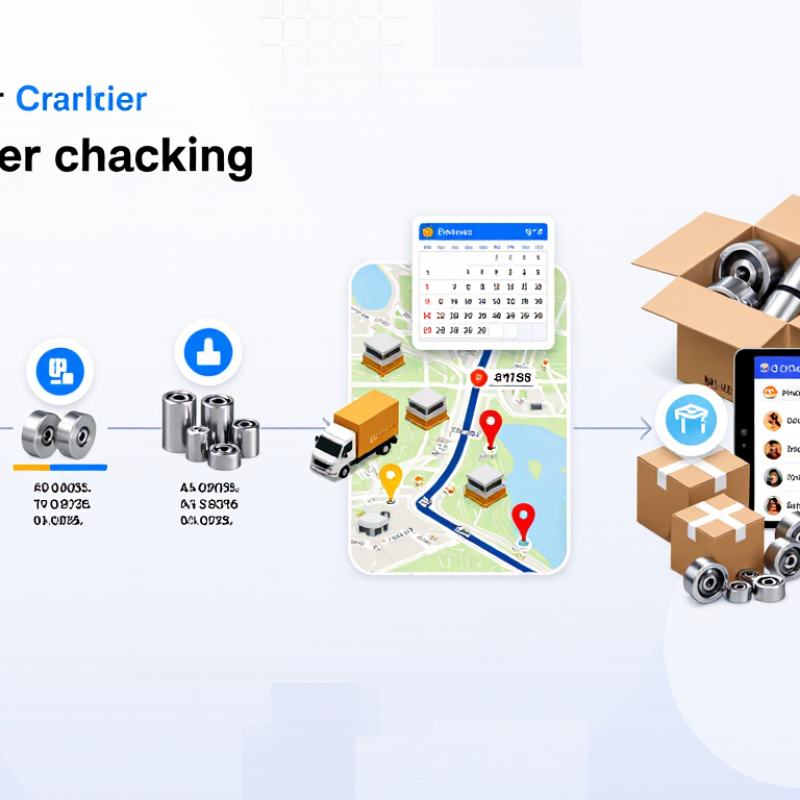
Ordering slide rollers online is now easier, but tracking the shipment still requires careful attention. Industrial buyers often manage several part numbers, finishes, quantities, and delivery locations in one purchase. A small mistake in any field can delay installation. Track Slide Roller orders online with a clear process, from payment confirmation to final delivery.
The U.S. Census Bureau reported that e-commerce represented 16.1% of total U.S. retail sales in 2024. This figure shows how deeply digital purchasing has entered everyday commerce. DHL’s B2B E-Commerce Trends Report also highlights growing expectations for transparent delivery information and flexible purchasing experiences. For slide rollers, that transparency should include the order number, stock status, carrier, tracking link, estimated arrival date, and proof of delivery. These details help maintenance teams compare the supplier’s promise with the carrier’s actual movement.
Yet tracking information is not always complete. A portal may show “shipped” while the package remains at a warehouse. That happens. Review the supplier’s order page, carrier scan history, and invoice together. Check the roller model, bore size, material, and quantity before accepting delivery. Photograph damaged packaging immediately, especially when rollers arrive in heavy cartons or mixed hardware boxes. This practical habit supports accurate claims and future purchasing decisions. It also exposes weak processes. Reliable suppliers should provide timely updates, secure payment records, and responsive human support. Online visibility matters, but it cannot replace professional verification.
How to Track Slide Roller Orders Online?
Tracking a slide roller order starts with identifying the exact product, not only its order number. Check the quotation, purchase order, and confirmation email together. Compare the roller diameter, length, material, load rating, finish, and required quantity. A missing dimension can create an expensive mix-up.
Use the supplier’s online portal or tracking page when available. Enter the order number exactly as shown. Confirm the order status, production stage, expected dispatch date, carrier, and shipment reference. Save screenshots and download invoices or technical drawings. These records help when several similar rollers are being purchased. They also show whether the supplier changed a specification without clear approval.
Supplier details need equal attention. Verify the legal business name, contact person, email domain, telephone number, physical address, and quotation reference. Match these details across the website, invoice, payment request, and shipping documents. Ask for a written confirmation if the contact information differs. I once overlooked a changed delivery address, and the shipment was delayed. That mistake was avoidable.
Check the packaging label when the order arrives. Match its part description and quantity with your saved records. Inspect the rollers for visible damage, uneven surfaces, or incorrect dimensions. Record photos before installation. Online tracking is useful, but it is not perfect. A status marked “shipped” may only mean a label was created. Contact the supplier when movement stops, details conflict, or the promised date passes. Keep every message in one order folder.