

2025 How to Effectively Repair Asphalt Driveways and Parking Lots

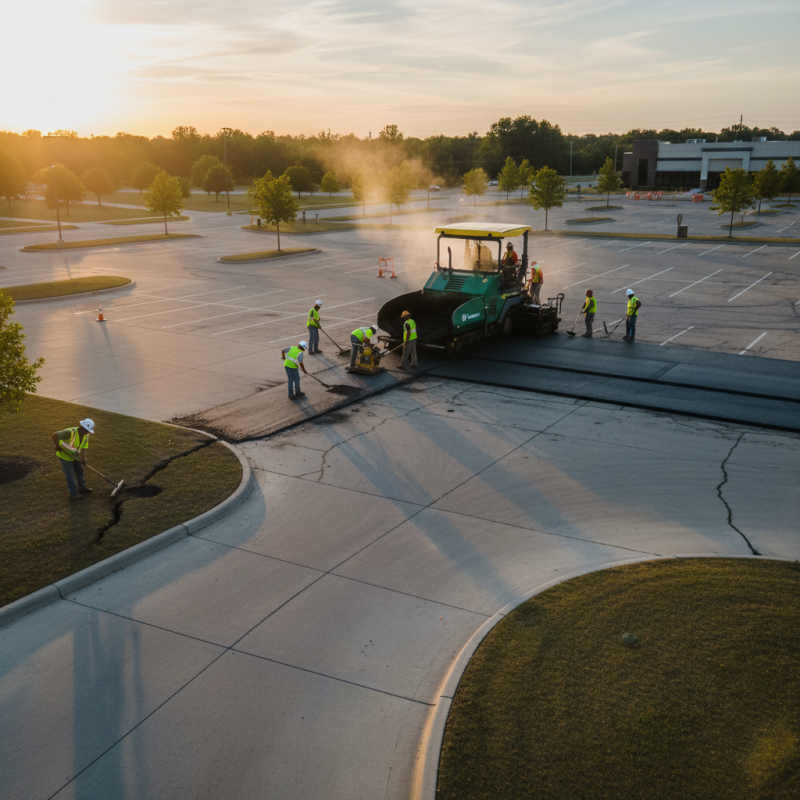
As the longevity of asphalt surfaces depends on proper maintenance and timely interventions, effective asphalt repair has become a critical focus for property owners and managers. This guide aims to provide comprehensive insights into the techniques and best practices for repairing asphalt driveways and parking lots, particularly as we approach 2025. Regular wear and tear, coupled with environmental factors, can lead to various issues such as cracks, potholes, and surface degradation. Understanding how to address these problems not only enhances the aesthetic appeal of the surfaces but also prolongs their durability and functionality.

In the following sections, we will explore the essential steps involved in diagnosing asphalt issues, preparing for repairs, and executing effective restoration methods. Whether for a residential driveway or a commercial parking lot, implementing sound asphalt repair strategies will not only safeguard your investment but also contribute to safer, more accessible spaces. Join us as we delve into the vital aspects of asphalt maintenance and repair that every property owner should know to ensure the longevity and resilience of their pavement.

2025 How to Effectively Repair Asphalt Driveways and Parking Lots

Understanding the Basics of Asphalt Driveway and Parking Lot Repairs

Understanding the basics of asphalt driveway and parking lot repairs is essential for maintaining the longevity and appearance of paved surfaces. Asphalt is a popular choice for driveways and parking lots due to its durability and cost-effectiveness. However, regular wear and tear, weather conditions, and heavy traffic can lead to issues such as cracks, potholes, and surface erosion. Identifying these problems early on is crucial, as minor repairs can prevent more significant damages and costly overhauls in the future.

When it comes to repairing asphalt, the process typically involves a few key steps. First, it’s important to clean the damaged area thoroughly, removing debris, vegetation, or loose asphalt. Depending on the severity of the damage, small cracks can be filled with cold patch material or sealant, while larger potholes might require excavating the damaged asphalt and applying new material. It's also essential to ensure proper compaction for a smooth finish. Additionally, sealing the surface after repairs can protect against moisture infiltration and extend the lifespan of the asphalt, helping to maintain its functionality and appearance for years to come.

Tools and Materials Needed for Asphalt Repair Projects

When embarking on asphalt repair projects for driveways and parking lots, having the right tools and materials is crucial to ensure a successful outcome. At the core of any asphalt repair task is the standard equipment, which typically includes a shovel, a tamper, and a squeegee. The shovel is essential for removing damaged asphalt and digging out any loose debris, while the tamper is important for compacting the new asphalt material to create a stable surface. A squeegee helps in spreading patching compounds evenly, ensuring a smooth finish.

In addition to the basic tools, a variety of materials is required for effective asphalt repairs. Asphalt cold patch is a common choice for minor repairs, as it can be applied directly without heating, allowing for quick fixes. For larger scale jobs, hot mix asphalt may be needed, which requires heating equipment to achieve the necessary temperature for proper application. Additionally, sealant and crack filler are vital materials for addressing surface problems and extending the life of the asphalt. Together, these tools and materials form the foundation for any successful asphalt repair project, enabling homeowners and property managers to restore their surfaces efficiently.

Step-by-Step Guide to Repairing Cracks in Asphalt Surfaces

Repairing cracks in asphalt surfaces is essential to extending the lifespan of driveways and parking lots. Start by assessing the extent of the damage; small cracks can be treated with crack filler while larger gaps may require a more intensive approach. Clean the area around the cracks using a broom or air compressor to remove debris and dirt, ensuring a smooth application of the repair materials.

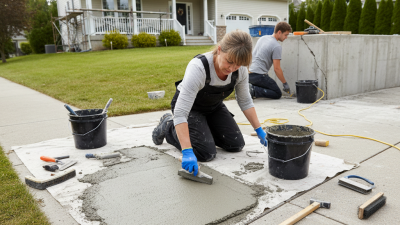
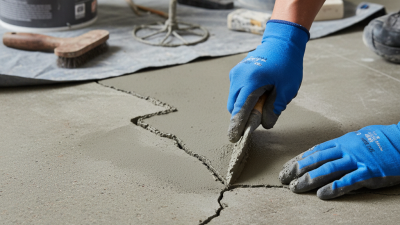
Next, prepare the crack filler according to the manufacturer’s instructions, if applicable. For small cracks, pour the filler directly into the crevice, using a caulking gun for precision where needed. For larger cracks, consider using a patching compound, applying it with a trowel to ensure it fully fills the void. After the filler or patch is applied, smooth the surface to blend with the surrounding asphalt and allow adequate curing time, which is crucial for achieving a strong bond and preventing future damage. Regularly inspect repaired areas, as proactive maintenance will keep your asphalt surfaces in good condition for years to come.

Techniques for Patching Holes and Depressions in Asphalt

When it comes to asphalt driveway and parking lot maintenance, addressing holes and depressions is crucial for both aesthetics and safety. Effective patching techniques can restore the surface and prolong the life of asphalt. One common method is using cold patch asphalt, which involves cleaning the area to remove debris and loose material before applying the patch. The patch should be compacted firmly to ensure a lasting hold and prevent water infiltration that can lead to further damage.

Another technique is the hot asphalt patch approach, which is often more durable and effective for larger repairs. This method requires heating the asphalt before application, ensuring it bonds well with the existing surface. Before applying hot asphalt, it’s essential to prepare the area by removing any loose pavement and ensuring the base is solid. After placing the hot patch, it should be compacted and leveled to match the surrounding area, minimizing the risk of future depressions. Regular inspection and timely repairs can help maintain a smooth and safe asphalt surface.

2025 How to Effectively Repair Asphalt Driveways and Parking Lots - Techniques for Patching Holes and Depressions in Asphalt

Repair Technique Description Ideal For Estimated Cost Time Required
Cold Patch A mixture of asphalt and aggregates that can be applied in cold temperatures. Small potholes $50 - $100 1-2 hours
Hot Mix Asphalt Heated asphalt used for better adhesion and durability. Larger potholes and cracks $100 - $300 2-4 hours
Sealcoating Application of a protective seal over the asphalt surface. General maintenance $0.10 - $0.25 per sq. ft. 4-6 hours
Infrared Repair Uses infrared technology to heat and repave distressed areas. Cracks and surface irregularities $5 - $10 per sq. ft. 2-3 hours

Preventive Measures to Extend the Life of Asphalt Installations

2025 How to Effectively Repair Asphalt Driveways and Parking Lots

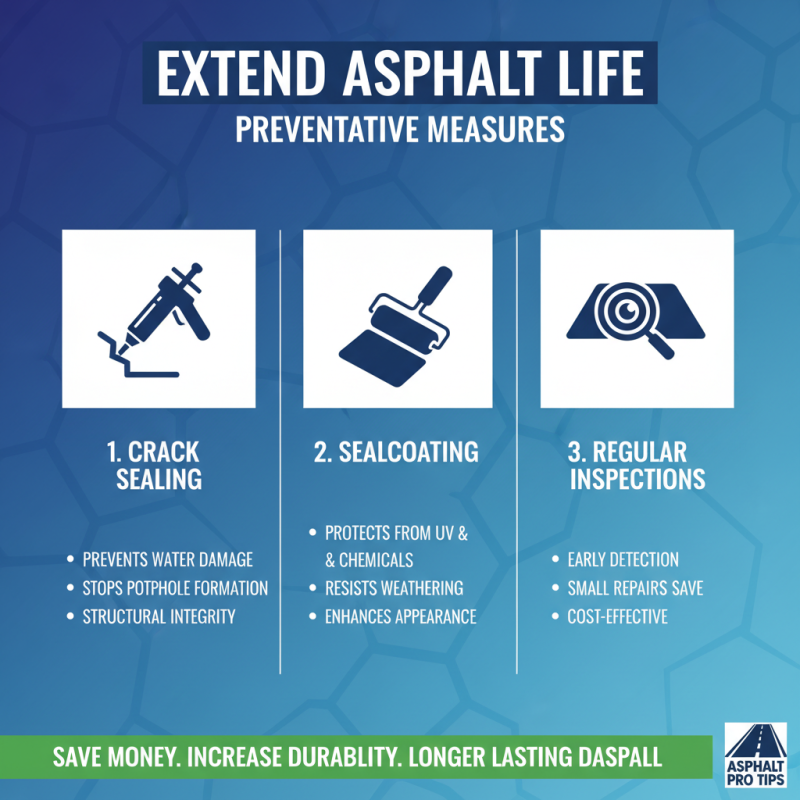
Preventive measures play a crucial role in extending the life of asphalt installations, whether they are driveways or parking lots. Regular maintenance practices such as sealing cracks and applying sealcoating can significantly enhance the durability of asphalt surfaces. Crack sealing prevents water infiltration, which can lead to structural damage and potholes. By addressing small issues before they escalate, property owners can save on costly repairs and prolong the lifespan of their asphalt.

Another effective preventive measure is to ensure proper drainage around asphalt installations. Water pooling can weaken the asphalt and contribute to its erosion over time. Grading the surface to facilitate water runoff and installing drainage systems can help mitigate these risks. Additionally, periodic inspections can help identify wear and tear early on, allowing for timely interventions. Implementing these preventive strategies not only protects your investment but also maintains the aesthetic appeal and functionality of the asphalt surfaces for years to come.

Find the Right Repair Product for Your Project

Need to find the most appropriate product for the needs of your project? We can help because we have over 70 years of experience servicing the industry with every kind of project, from Do-it-yourself projects to large skyscrapers. Package Pavement has the experience, the knowledge and the products to help every project succeed.
Quikrete Repair Products
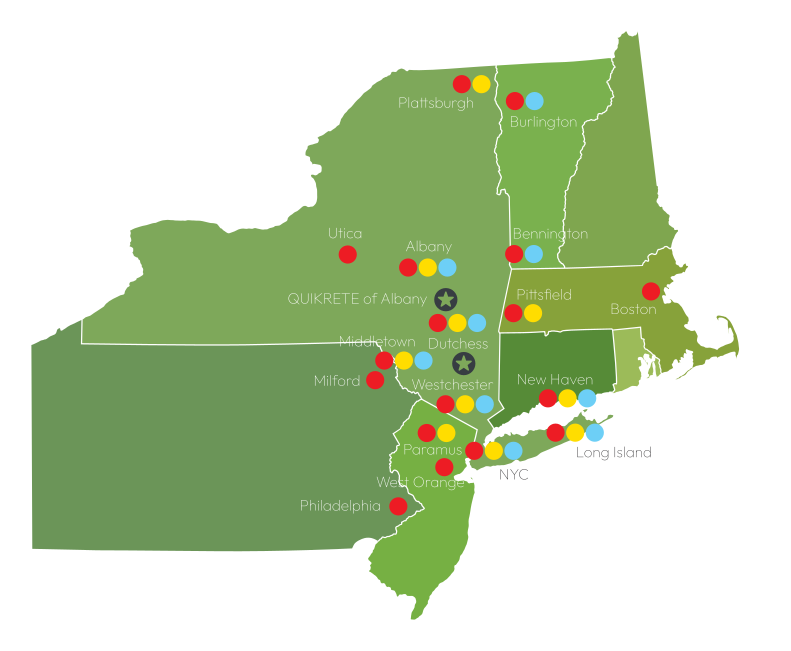
Legend
Package Pavement has two convenient locations in Stormville, NY (Dutchess County) and Ravena, NY (Greene County) to serve the Northeastern Region with bagged concrete, blacktop, mortar, and repair products. This map gives a general idea of where we service and the product lines we offer.
Package Pavement Products
Quikrete Products
Spec Mix Products
map

Our Brands Websites