

10 Essential Tips to Choose the Right Mortar Cement for Your Project

In the construction industry, the right choice of materials can make or break a project. Mortar cement, an essential component in masonry work, is critical for ensuring the structural integrity and longevity of buildings. As noted by industry expert Dr. Emily Carter, a leading authority in construction materials, "Choosing the right mortar cement is not just about performance; it's about guaranteeing the safety and durability of your project." This underscores the importance of understanding various types of mortar cement and their specific applications.

With countless products available on the market, selecting the appropriate mortar cement can seem daunting. Factors such as environmental conditions, the type of masonry units, and the structural requirements must all be meticulously considered. An informed decision can lead to significant improvements in the quality and durability of the finished work, making it vital for architects, builders, and DIY enthusiasts alike to grasp the essentials of mortar cement selection. This article explores the top ten tips for choosing the right mortar cement for your project, ensuring that you lay a solid foundation for success.

10 Essential Tips to Choose the Right Mortar Cement for Your Project

Understanding the Different Types of Mortar Cement and Their Applications

When selecting the right mortar cement for your project, it's crucial to understand the different types available, as each has unique properties and applications. The most common types include Portland cement, lime-based mortar, and specialized mortars like polymer-modified and refractory mortars.

Portland cement is widely used due to its strong bonding capabilities and suitability for various constructions, including bricks and blocks. It is ideal for both indoor and outdoor applications, offering durability and weather resistance.

Lime-based mortar is another option, favored for its flexibility and breathability. This type is especially beneficial for historical restoration projects, as it can accommodate slight movements in the building materials without cracking. Additionally, polymer-modified mortars contain additives that enhance adhesion and flexibility, making them perfect for high-stress environments or renovations involving tiles.

Finally, refractory mortars are designed to withstand high temperatures, making them ideal for fireplaces, kilns, or pizza ovens. Understanding these various types will help you select the most appropriate mortar cement for your specific needs.

Key Factors to Consider When Selecting Mortar Cement for Your Project

Choosing the right mortar cement for your project is crucial for ensuring durability and stability. One of the key factors to consider is the environmental conditions the mortar will face. If your project is exposed to moisture or extreme temperatures, selecting a mortar with water-resistant properties or specific additives that enhance performance under such conditions is essential. Additionally, the location's climate can influence the choice; for instance, areas with freeze-thaw cycles require mortars that can withstand these changes without deteriorating.

Another significant factor is the type of materials you are working with. Different substrates, whether brick, stone, or concrete, may require specific mortar types to achieve optimal adhesion and strength. Understanding the composition of your materials allows you to choose a compatible mortar, enhancing the structural integrity of your project. Furthermore, consider the intended use of the structure; load-bearing walls may necessitate a stronger mix than decorative facades. By carefully evaluating these factors, you can select the most suitable mortar cement for your specific needs.

Evaluating the Strength and Durability Requirements for Your Mortar Cement

10 Essential Tips to Choose the Right Mortar Cement for Your Project

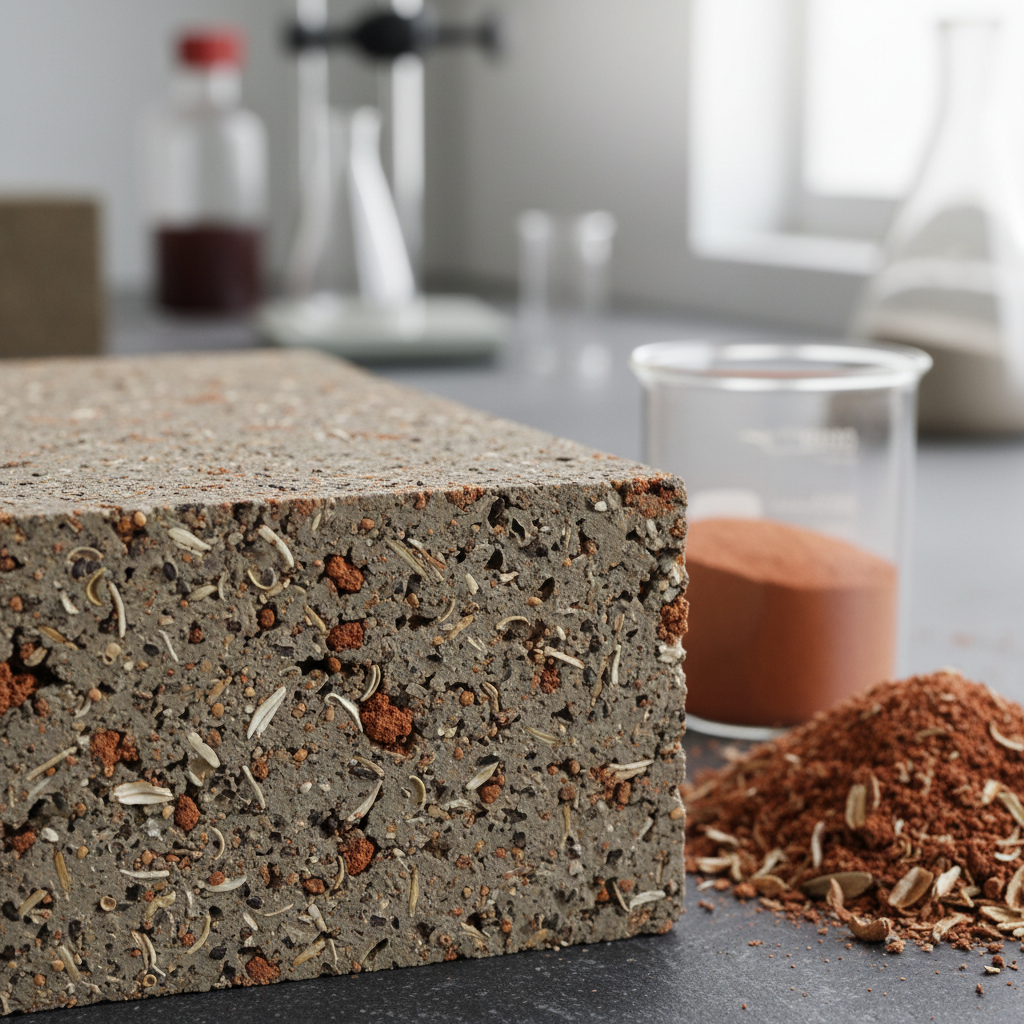
When evaluating the strength and durability requirements for mortar cement, it's essential to consider various innovative materials that can enhance performance. Recent studies have highlighted the potential of incorporating alternative materials, such as sesame shells, which serve as partial replacements for cement and sand. Research indicates that these shells significantly improve mechanical performance and durability, offering a sustainable solution as they reduce the dependency on traditional construction materials. This aligns with findings that demonstrate how integrating materials like laterite soil powder can enhance mortar performance while promoting environmental sustainability.


Moreover, advancements in nanotechnology have introduced the use of nano titanium dioxide to improve the mechanical properties of concrete. By enhancing microstructural qualities, this approach not only bolsters strength but also extends the lifespan of the mortars used in construction. Another notable innovation is the use of steel slag as a fully replaceable aggregate, which has shown to improve concrete performance while addressing waste management challenges. These developments underscore the growing trend toward incorporating sustainable materials and technologies in construction projects, aiming for higher durability and reduced environmental impact.

How Climate and Environmental Conditions Influence Mortar Cement Choices

When selecting mortar cement for your project, understanding how climate and environmental conditions impact your choices is crucial. For instance, in regions with high humidity, choosing a mortar that allows for better moisture retention can be beneficial, as this helps in the curing process. Conversely, in arid areas, a more rapid-setting mortar might be preferable to minimize the risk of drying too quickly, which can lead to cracking and weak adhesion.

Additionally, temperature plays a significant role in mortar performance. In colder climates, it is essential to select a mortar designed to cure at lower temperatures, which typically includes additives that facilitate better hydration. Hot weather, on the other hand, may necessitate the use of retarders to ensure that the mortar does not set too fast, allowing adequate time for application and finishing. By considering these environmental factors, you can ensure that your mortar cement selection enhances the durability and longevity of your construction project.

10 Essential Tips to Choose the Right Mortar Cement for Your Project

Tip Climate Consideration Environmental Condition Recommended Mortar Type
1. Assess Project Location Extreme temperatures (hot/cold) High humidity Type S Mortar
2. Determine Strength Requirements Mild climates Low exposure to rain Type N Mortar
3. Evaluate Moisture Levels High rainfall areas Flooding risk Type M Mortar
4. Consider Freeze-Thaw Cycles Cold climates Snow accumulation Frost-resistant Mortar
5. Select Based on Aesthetic Needs All climates Urban vs rural settings Colored Mortar
6. Assess Local Availability All climates Supply chain conditions Locally sourced types
7. Consider the Environmental Impact Urban areas Pollution levels Eco-friendly Mortar
8. Check for Regulatory Compliance All climates Building codes Regulation-compliant Mortars
9. Factor in Workability All climates Worksite conditions High-workability Mortar
10. Consult with Experts All climates Local expertise Professional recommendations

Sustainability and Eco-Friendly Options in Mortar Cement Selection

When selecting mortar cement for your project, sustainability should be a paramount consideration. Eco-friendly options not only contribute to environmental preservation but also enhance the longevity and performance of construction materials. Look for mortar cements that incorporate recycled materials, such as fly ash or slag, which reduce resource consumption and minimize waste. These alternatives often possess excellent bonding properties and improve the overall durability of the mortar.

Additionally, consider the manufacturing process of the mortar cement. Producers who prioritize sustainable practices typically utilize lower energy methods and responsible sourcing of raw materials. Certifications such as LEED (Leadership in Energy and Environmental Design) can further guide you toward environmentally-friendly choices. By opting for these sustainable products, you not only contribute to a healthier planet but also promote energy efficiency and build resilience within your structures, ensuring they stand the test of time.

Find the Right Repair Product for Your Project

Need to find the most appropriate product for the needs of your project? We can help because we have over 70 years of experience servicing the industry with every kind of project, from Do-it-yourself projects to large skyscrapers. Package Pavement has the experience, the knowledge and the products to help every project succeed.
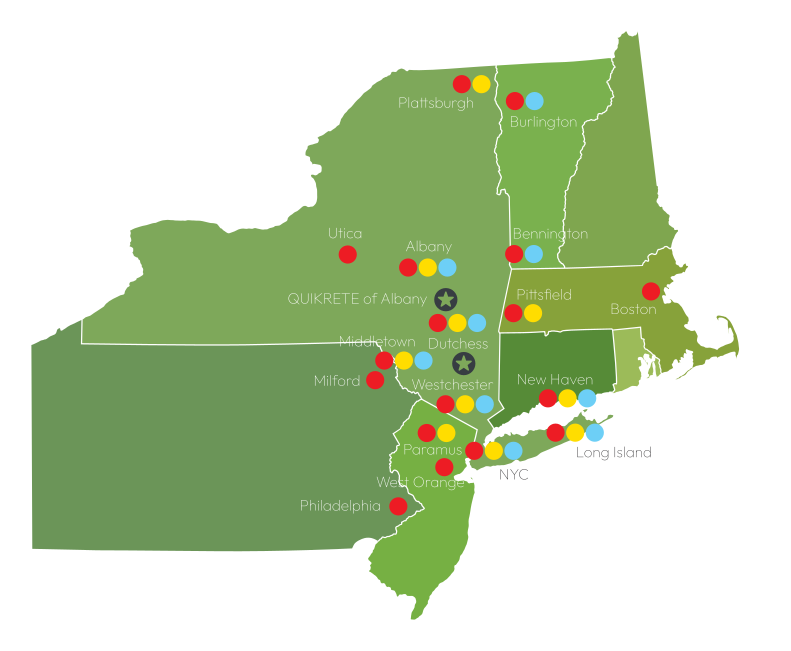
Quikrete Repair Products
Legend
Package Pavement has two convenient locations in Stormville, NY (Dutchess County) and Ravena, NY (Greene County) to serve the Northeastern Region with bagged concrete, blacktop, mortar, and repair products. This map gives a general idea of where we service and the product lines we offer.
Package Pavement Products
Quikrete Products
Spec Mix Products
map

Our Brands Websites