

10 Essential Tips for Using Colored Cement in Your Next Project

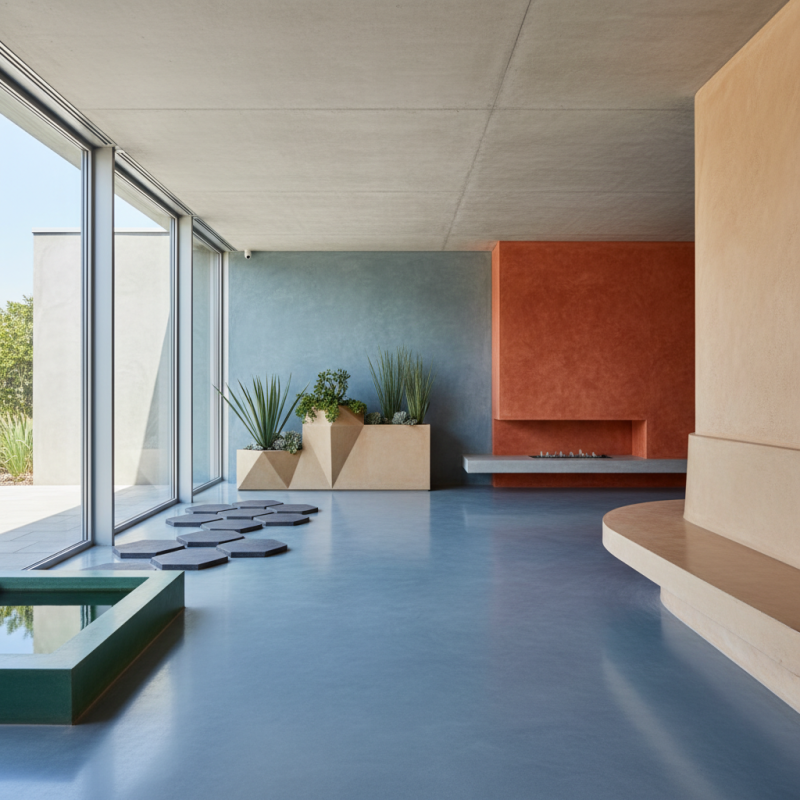
In recent years, the use of colored cement has revolutionized the construction and design industries. As homeowners and designers alike seek to infuse personality and creativity into their projects, colored cement has emerged as a versatile solution that enhances aesthetic appeal while maintaining structural integrity. According to renowned industry expert Dr. Emily Green, "Colored cement not only adds beauty to a space but also allows for endless customization, making each project unique."

Embracing the vibrant potential of colored cement requires careful consideration and informed choices. This guide presents ten essential tips that will empower both novices and experienced professionals to effectively incorporate colored cement into their upcoming projects. By understanding the nuances of color selection, application techniques, and maintenance, users can achieve stunning results that stand the test of time.

As we delve into these essential tips, the blend of creativity and knowledge inherent in working with colored cement will be evident, ultimately inspiring projects that not only meet functional needs but also reflect individual style and vision. Let's explore how to harness the full potential of colored cement in your next endeavor, transforming ordinary spaces into extraordinary experiences.

10 Essential Tips for Using Colored Cement in Your Next Project

Understanding the Basics of Colored Cement and Its Applications

10 Essential Tips for Using Colored Cement in Your Next Project

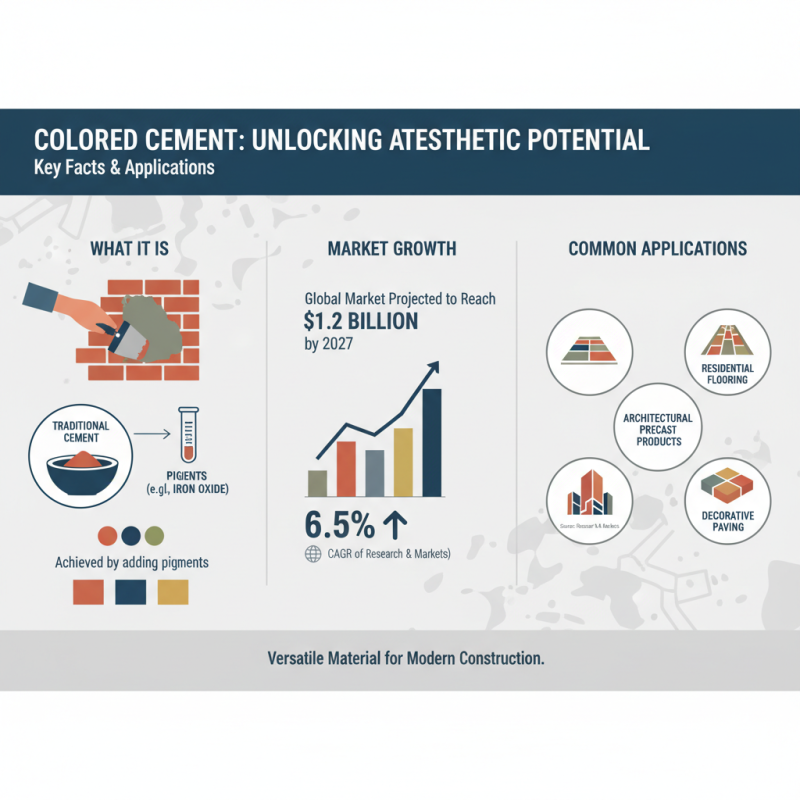
Colored cement is a versatile material that enhances the aesthetic appeal of a wide range of construction projects. Understanding the basics of colored cement is crucial for leveraging its full potential. Unlike traditional gray cement, colored cement is produced by adding pigments, such as iron oxide, which can alter its color and create a visually striking outcome. According to a report by Research and Markets, the global colored cement market is projected to reach approximately $1.2 billion by 2027, growing at a CAGR of 6.5% from 2020. This growth indicates a rising demand for colored cement in applications such as residential flooring, architectural precast products, and decorative paving.

The applications of colored cement are diverse, offering innovative solutions for both interior and exterior designs. In commercial and residential sectors, color can play a significant role in branding and ambiance. The use of colored cement in decorative concrete finishes allows architects and designers to create unique patterns and textures that elevate the overall design. Furthermore, studies have shown that colored cement can improve energy efficiency by reflecting sunlight, thus contributing to cooler indoor environments. As environmental awareness grows, the market for colored cement is likely to expand, with an increasing emphasis on sustainable practices within the industry.

Choosing the Right Type of Colored Cement for Your Project

When it comes to choosing the right type of colored cement for your project, it's crucial to consider both the aesthetic and functional aspects of your selection. Colored cement comes in various shades and finishes, enabling you to tailor your project precisely to your design vision. Evaluate the overall color scheme and the environment where the cement will be applied. Lighter shades can create a more spacious feel, while darker hues may add warmth and coziness.

One essential tip is to test your colored cement before committing to a large batch. Mixing small samples with the aggregate will give you insights into how the final color will appear once it is cured. Additionally, consider the type of aggregates you will use, as they can significantly influence the overall color outcome. Certain aggregates may enhance or mute the coloring effects of the cement, so ensure that your choices align with your desired aesthetic.

Lastly, always take into account the exposure conditions of the area where your colored cement will be applied. For outdoor projects, select colors that are UV-resistant and can withstand weather changes without fading. In contrast, indoor projects may allow for a broader spectrum of colors since they are less exposed to fluctuating environmental conditions. By carefully weighing these factors, you can ensure that your choice of colored cement enhances both the beauty and durability of your project.

10 Essential Tips for Using Colored Cement in Your Next Project

Tip Description Recommended Use Color Options
1. Choose the Right Base Select a base cement that suits your project's specific needs, such as Portland cement. Driveways, patios Gray, white
2. Test Color Samples Prepare small samples to see how the color appears when cured. All applications Various shades
3. Mix Gradually Add pigment gradually to achieve the desired color consistency. Walkways, floors Earth tones, vivid colors
4. Consider UV Stability Opt for UV-stable pigments to prevent fading in sunlight. Outdoor applications Bright colors
5. Control Water Ratio Maintain consistent water ratios to avoid dilution of color. All applications All colors
6. Use Proper Tools Utilize the right tools for mixing and application to ensure even distribution of color. Walls, sculptures All colors
7. Seal After Curing Apply a sealant after curing to preserve color and prevent staining. Floors, countertops Clear, tinted sealants
8. Check Mixing Temperature Keep mixing temperatures in optimal range to ensure proper curing and color consistency. Extreme temperatures All colors
9. Avoid Contamination Ensure that tools and materials are clean to prevent unwanted color changes. All applications All colors
10. Consult Professionals Seek advice from experts to find the best suited colored cement for your project. Large, complex projects Custom colors

Techniques for Mixing and Applying Colored Cement Effectively

When utilizing colored cement in your projects, effective mixing and application techniques are crucial for achieving a vivid finish that enhances the overall aesthetic. According to a report by the American Concrete Institute, the correct mixing ratio of colorant to cement can significantly impact the vibrancy and durability of the final product. Typically, a pigment loading of 5% to 10% by weight is recommended, as this ensures the color is rich without compromising the structural integrity of the cement. To achieve uniform color, it's important to blend both dry pigments and dry cement thoroughly before adding water. This technique not only aids in preventing color streaks but also enhances the overall consistency of the mixture.

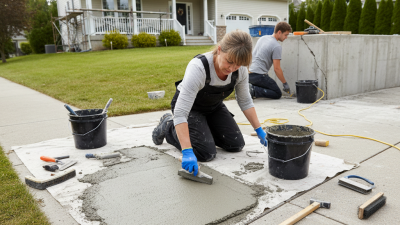
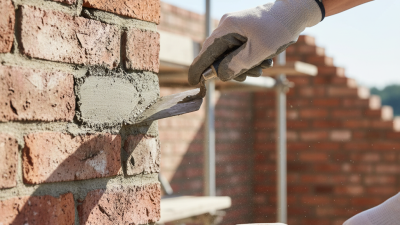
When it comes to application, using a consistent application method across your project is vital. The Concrete Network suggests that using tools like a trowel or a spiked roller can help achieve a uniform distribution of colored cement. Furthermore, applying the mixture in thin layers can minimize the risk of discoloration caused by inconsistent curing conditions. This is essential, especially in climates with varying humidity and temperature, as these factors can unevenly affect how colored cement cures. It is also advisable to cure the cement under controlled conditions, maintaining moisture for at least 7 days to ensure the color develops as intended and prevents fading over time, as highlighted in several industry studies.

Colored Cement Application Techniques

This bar chart illustrates the effectiveness ratings for various techniques when using colored cement in projects. The ratings are based on a scale from 1 to 10, with higher scores indicating better effectiveness.

Tips for Achieving Consistent Color in Your Finished Product

10 Essential Tips for Using Colored Cement in Your Next Project

Achieving consistent color in colored cement projects can be a challenging yet rewarding endeavor. To start, it is crucial to select high-quality pigments that are specifically formulated for cement. These pigments should be used in a consistent proportion to the total weight of the cement mixture. This practice not only ensures uniformity but also helps to prevent color variations that can occur due to inconsistent application or differing batch compositions. Mixing the pigments thoroughly into the dry cement before adding any water is essential in avoiding clumping, which can lead to streaks or uneven coloration in the final product.

Another important aspect is to control the curing process. Ambient conditions such as temperature and humidity can significantly affect the final appearance of colored cement. To maintain consistent color, it is advisable to cure the project under controlled conditions, if possible. Covering the surface with plastic sheeting can help maintain moisture, preventing uneven drying which can manifest as discoloration. Periodically checking the moisture level during the curing process allows for adjustments to be made, ensuring the cement sets uniformly and yields the desired intensity of color throughout the project.

Caring for and Maintaining Colored Cement Surfaces Over Time

Maintaining colored cement surfaces is crucial to preserving their beauty and durability over time. One of the primary steps in caring for these surfaces is regular cleaning. It is recommended to use a mild detergent mixed with water for routine cleaning. Avoid harsh chemicals, as they can fade or damage the color. A soft broom or mop is ideal for sweeping away dust and debris, while a gentle scrub brush can be used for any stubborn stains. Regular maintenance prevents grime buildup, ensuring that the colored cement retains its vibrant appearance.

In addition to routine cleaning, applying a sealant can significantly enhance the longevity of colored cement surfaces. Sealants act as a protective barrier against moisture, staining, and UV rays. Depending on the intensity of use and exposure to the elements, reapplying the sealant every few years will help maintain the surface's integrity and color. Properly managing environmental factors, such as using an outdoor mat in high-traffic areas, can also reduce wear and tear, making it easier to keep the colored cement looking fresh and well-kept.

Find the Right Repair Product for Your Project

Need to find the most appropriate product for the needs of your project? We can help because we have over 70 years of experience servicing the industry with every kind of project, from Do-it-yourself projects to large skyscrapers. Package Pavement has the experience, the knowledge and the products to help every project succeed.
Quikrete Repair Products
Legend
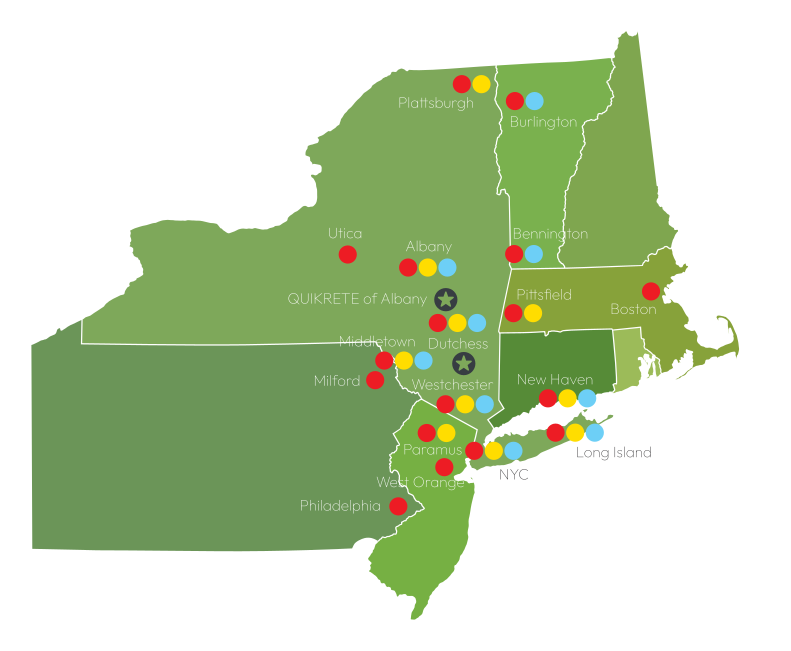
Package Pavement has two convenient locations in Stormville, NY (Dutchess County) and Ravena, NY (Greene County) to serve the Northeastern Region with bagged concrete, blacktop, mortar, and repair products. This map gives a general idea of where we service and the product lines we offer.
Package Pavement Products
Quikrete Products
Spec Mix Products
map

Our Brands Websites