


10 Essential Tips for Effective Mortar Repair Techniques

Mortar repair is a critical aspect of maintaining the integrity, aesthetics, and longevity of masonry structures. According to the latest report by the Masonry Association, approximately 30% of masonry failures can be attributed to improper mortar application and maintenance. This statistic underscores the importance of employing effective mortar repair techniques that can mitigate long-term damage and enhance structural resilience. As renowned masonry expert Dr. Emily Carson states, "Proper mortar repair not only restores the physical appearance of masonry but also plays a pivotal role in preventing moisture intrusion, which is a leading cause of deterioration."

10 Essential Tips for Effective Mortar Repair Techniques

Implementing best practices in mortar repair not only improves the durability of constructions but also ensures compliance with industry standards. With the growing emphasis on sustainability and building preservation, understanding the nuances of mortar repair has never been more vital. In this guide, we will explore ten essential tips that can elevate your mortar repair methods, from selecting the appropriate materials to applying innovative techniques that adhere to modern standards. Join us on this journey to enhance your skills and ensure the longevity of your masonry projects through effective mortar repair.

Identifying Common Mortar Damage: Signs to Look For

Identifying common mortar damage is crucial for maintaining the integrity of brick and stone structures. Homeowners should regularly inspect their masonry to catch issues early. Look for visible cracks in the mortar joints, which can indicate underlying structural problems. These fissures might vary in size, and even small cracks can allow water to seep into the joints, leading to further deterioration over time. Additionally, if you notice any crumbling or missing mortar, prompt repair is essential to prevent additional damage.

Another sign of mortar damage is efflorescence, the white, powdery residue that appears on the surface of bricks or stones. This occurs when moisture inside the wall brings soluble salts to the surface, indicating possible water penetration. Pay attention to discoloration or flaking of the mortar; these could be signs of moisture retention or freeze-thaw cycles damaging the mortar. By being vigilant and recognizing these signs early, property owners can implement effective repair techniques and prolong the lifespan of their masonry.

Choosing the Right Type of Mortar for Your Repair Needs

When it comes to mortar repair, selecting the appropriate type of mortar is crucial for ensuring durability and aesthetic compatibility with existing structures. Consider the specific requirements of your project, including the location of the repair, the material of the surrounding masonry, and the environmental conditions it will face. For instance, lime-based mortars are often preferred for older buildings as they allow for flexibility and breathability, which can help prevent damage to historic masonry. On the other hand, cement-based mortars are ideal for projects requiring high strength and resistance to water infiltration, particularly in wet climates.

Additionally, it's vital to match the mortar's color and texture to the original masonry for a seamless repair. This can involve experimenting with different aggregates and colorants to achieve the desired look. Before applying the new mortar, ensure that the area is clean and free from loose debris to promote strong adhesion. By carefully selecting the right type of mortar and preparing the surface correctly, you can ensure that your repair not only lasts but also blends well with its surroundings.

Essential Tools and Materials for Successful Mortar Repair

When it comes to successful mortar repair, having the right tools and materials is crucial. According to the Portland Cement Association, about 70% of all masonry failures are due to inadequate or improper material use. Therefore, investing in high-quality tools such as a trowel, jointing tool, and mixing paddle can significantly enhance your repair efforts. Additionally, selecting the right mortar mix—be it Type N, S, or M—based on your project's specific needs is vital for ensuring durability and structural integrity.

Tip: Always test your mortar under real conditions before applying it extensively. Mixing small batches of mortar and testing them can help you gauge how well they adhere and how effectively they resist weathering.

Moreover, essential materials like waterproofing agents or fiber additives can significantly improve the lifespan of your repairs. According to the American Concrete Institute, using additives can enhance a mortar's tensile strength by up to 30%. Incorporating these materials into your repair can provide extra protection against moisture and cracking, making your reparative efforts not only effective but long-lasting.

Tip: Don’t forget to clean the surface of the repair area meticulously. Any debris or old mortar remnants can compromise the bond of the new material, leading to potential failure. Proper surface preparation is key to a successful mortar repair project.

Step-by-Step Guide to Proper Mortar Application Techniques

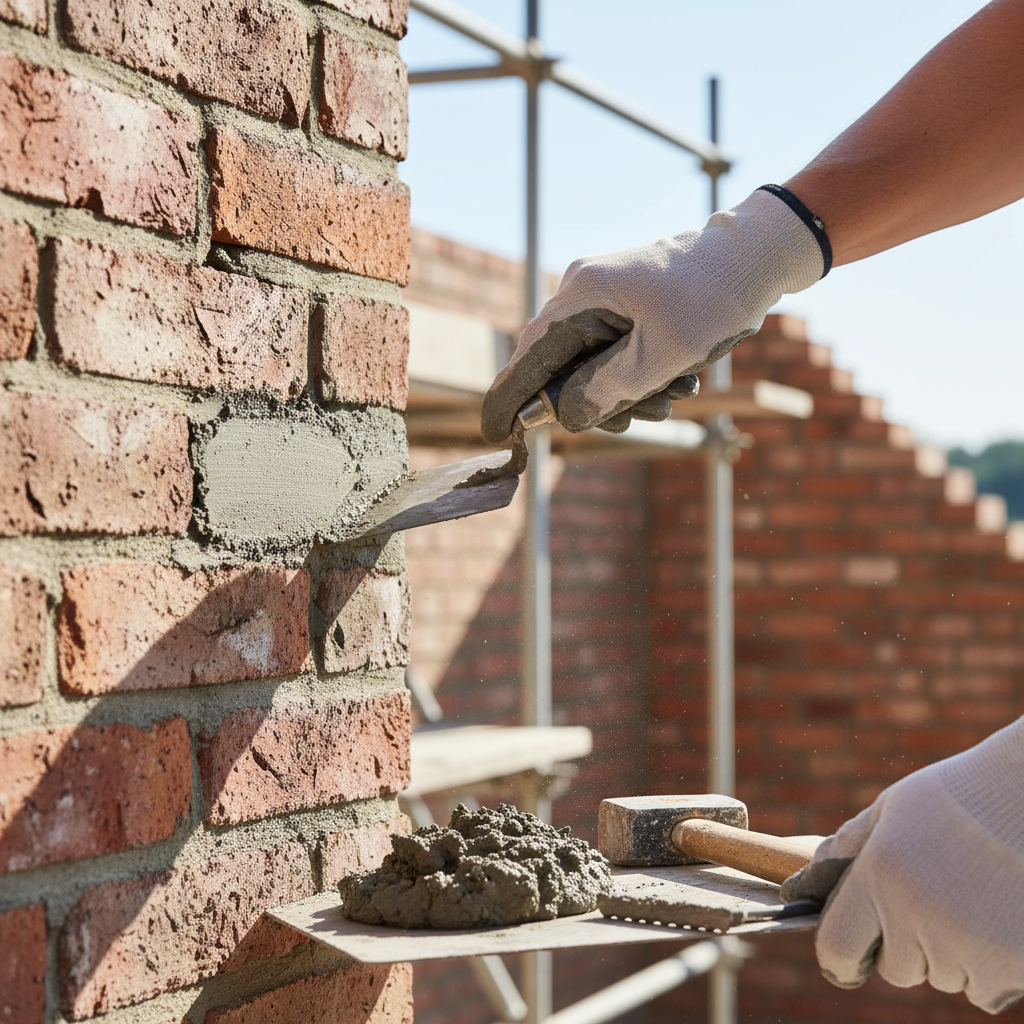
When it comes to mortar repair, mastering proper application techniques is crucial for achieving long-lasting results. Start by preparing the surface where the mortar will be applied. This includes removing any loose or damaged material and cleaning the area thoroughly to ensure that the new mortar adheres properly. Once the surface is prepped, mix your mortar according to the manufacturer's specifications, ensuring the consistency is suitable for application.

When applying the mortar, use a trowel to spread it evenly into the joints or cracks. It's important to fill the area completely while avoiding air pockets that can compromise the integrity of the repair. After applying the mortar, smooth it out with a finishing tool to achieve a seamless look. Take care not to overwork the mortar, as this can lead to a weak bond. Finally, allow the mortar to cure properly by keeping it moist for the recommended time, depending on the climate and product used. This step is essential to ensure that the mortar achieves its full strength and durability.

10 Essential Tips for Effective Mortar Repair Techniques

Tip Number Tip Description Estimated Time (minutes) Difficulty Level
1 Prepare the area by cleaning the surface thoroughly. 15 Easy
2 Select the right type of mortar for your project. 10 Medium
3 Mix the mortar according to manufacturer specifications. 20 Medium
4 Use proper tools for application such as trowels and bricks. 15 Easy
5 Apply the mortar evenly and firmly into the joint. 25 Medium
6 Tool the joints after application for a smooth finish. 20 Medium
7 Allow the mortar to cure properly according to instructions. 60 Easy
8 Prevent moisture exposure before curing is complete. 5 Easy
9 Inspect the finished work for any imperfections. 10 Easy
10 Clean tools and workspace immediately after use. 15 Easy

Best Practices for Curing and Maintaining Repaired Mortar Joints

10 Essential Tips for Effective Mortar Repair Techniques

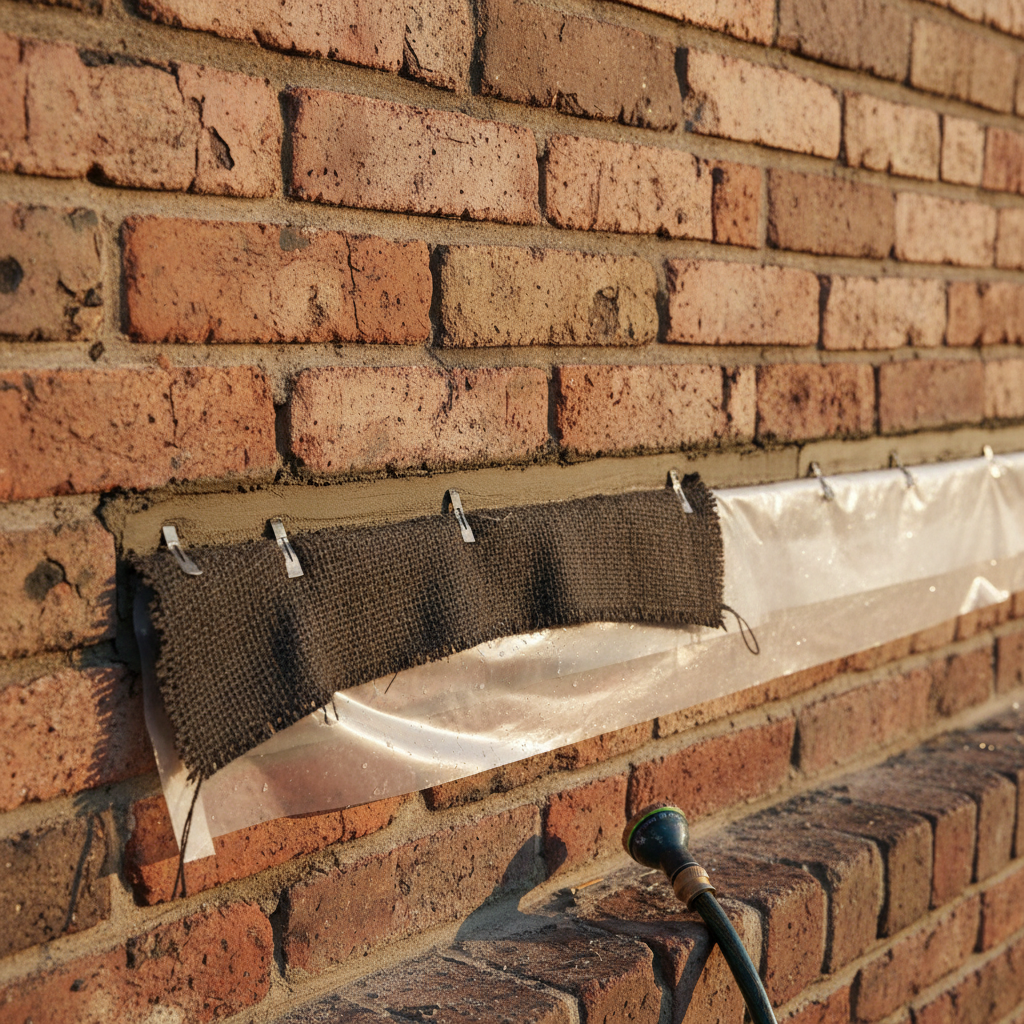
When it comes to mortar repair, proper curing and maintenance of repaired mortar joints are crucial for achieving longevity and durability. According to a recent industry report by the Portland Cement Association, insufficient curing can lead to a significant reduction in the compressive strength of mortar, sometimes by as much as 30%. To combat this, one essential tip is to ensure that the repaired joint remains moist for an adequate period, typically 7 days, using techniques such as wet burlap or plastic sheeting.

In addition to effective curing, regular maintenance plays a vital role in the longevity of repaired mortar joints. Sealing the joints with a high-quality sealant can help protect against water intrusion and freeze-thaw cycles, which are primary contributors to deterioration. Research suggests that mortar joints treated with a sealant can experience up to a 50% reduction in water absorption, significantly enhancing their lifespan. Incorporating these best practices into your repair strategy can lead to robust, long-lasting mortar joints that withstand the test of time.

Find the Right Repair Product for Your Project

Need to find the most appropriate product for the needs of your project? We can help because we have over 70 years of experience servicing the industry with every kind of project, from Do-it-yourself projects to large skyscrapers. Package Pavement has the experience, the knowledge and the products to help every project succeed.

Quikrete Repair Products
Legend
Package Pavement has two convenient locations in Stormville, NY (Dutchess County) and Ravena, NY (Greene County) to serve the Northeastern Region with bagged concrete, blacktop, mortar, and repair products. This map gives a general idea of where we service and the product lines we offer.
Package Pavement Products
Quikrete Products
Spec Mix Products
map

Our Brands Websites