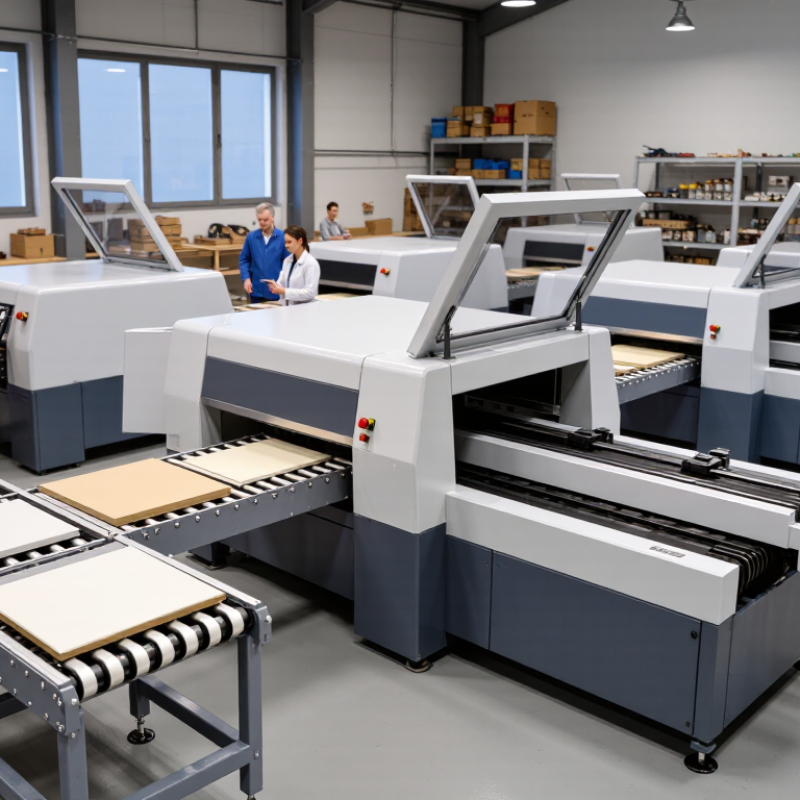
| Manual or Hand-Operated Flatbed Die Cutter | Paper, board, thin foam, leather, gaskets, labels, prototypes, and short-run packaging. | Commonly handles thin sheet materials up to approximately 3–6 mm, depending on machine capacity and material hardness. | Steel-rule dies or custom cutting forms. Die height and cutting pressure must match the machine specification. | Low-volume production and sampling. Suitable when frequent job changes and low initial investment are more important than speed. | Clean the bed and platen regularly; inspect hinges, guides, pressure plates, and cutting surfaces; lubricate moving points according to the equipment manual. | Use guards where provided, keep hands outside the cutting area, and use a documented safe operating procedure. Never bypass interlocks. | Requires a stable, level workbench or floor position, adequate lighting, storage for dies, and clear access around the operating area. | Choose this type when flexibility, prototypes, and small batches outweigh labor cost and automated feeding speed. |
| Hydraulic or Pneumatic Flatbed Die Cutter | Corrugated board, foam, rubber, insulation, gaskets, textiles, composites, and formed packaging components. | Often suitable for materials from thin sheets up to several millimeters, subject to press force, die height, and material compression. | Steel-rule dies, solid cutting plates, stripping tools, and sometimes punching or creasing attachments. | Medium-volume production with consistent pressure and repeatable cutting. Loading and unloading may be manual or semi-automatic. | Inspect hydraulic hoses, pneumatic lines, filters, seals, pressure gauges, and cylinders. Remove debris and verify pressure settings during scheduled service. | Requires guarding, emergency stops, two-hand controls or equivalent safeguarding, lockout/tagout procedures, and trained operators. | Needs a rigid floor, sufficient headroom, service access, electrical power, and possibly compressed air or hydraulic service space. | Check required cutting force, maximum die size, bed opening, stroke length, and whether the available utilities match the machine. |
| Automatic Flatbed Die Cutter | Folding cartons, corrugated packaging, commercial print products, labels, and repeated sheet-fed work. | Commonly processes paperboard and corrugated sheets; the allowable range depends on feeder, platen force, die design, and sheet format. | Steel-rule cutting and creasing dies, stripping tools, make-ready sheets, and feeder or delivery adjustments. | Medium- to high-volume production with automatic feeding, cutting, stripping, and delivery options. | Requires scheduled cleaning, feeder calibration, lubrication, sensor inspection, die-board checks, and replacement of worn grippers or belts. | Use fully enclosed guards, interlocked access doors, emergency stops, safe setup modes, and formal training for clearing jams. | Requires a level industrial floor, material staging areas, die storage, operator access zones, and space for feeder and delivery sections. | Prioritize sheet size, hourly output, setup time, registration accuracy, automation level, and availability of trained maintenance personnel. |
| Rotary Die Cutting Machine | Labels, tapes, films, foils, flexible packaging, nonwovens, gaskets, and continuous web materials. | Usually optimized for thin and flexible web materials, often from very thin films up to a few millimeters depending on the tooling and press design. | Rotary magnetic-cylinder dies, solid rotary dies, anvil cylinders, slitting knives, and waste-removal tooling. | High-speed, continuous production with efficient repeat processing and inline slitting, laminating, or rewinding. | Monitor cylinder alignment, anvil wear, web tension, bearings, nip pressure, blades, sensors, and waste-removal systems. | Guard rotating cylinders and nip points; use web-threading procedures, emergency stops, and lockout/tagout before entering the machine. | Needs web-roll storage, unwind and rewind clearance, access for tooling changes, ventilation where adhesives are used, and a clean operating area. | Choose this type when the material is supplied in a continuous web and speed, repeatability, and low waste are major priorities. |
| Digital Knife or Oscillating-Tool Cutter | Prototypes, short-run packaging, textiles, leather, foam, corrugated board, composites, and materials requiring frequent design changes. | Typically handles thin to medium-thickness materials; actual capacity depends on tool type, blade geometry, vacuum hold-down, and material density. | Replaceable knives, oscillating blades, creasing wheels, perforation tools, and software-controlled tool heads. No dedicated steel-rule die is normally required. | Low- to medium-volume production with fast design changes and minimal physical tooling lead time. | Replace or sharpen blades, clean the cutting surface, inspect vacuum zones, calibrate the tool head, and maintain software and motion systems. | Guard moving tool heads, use approved blades, control access during operation, and follow safe procedures for blade changes and vacuum systems. | Requires a rigid table or conveyor, computer and network access, material loading space, extraction or dust control where needed, and stable power. | Best for variable designs, prototypes, and jobs where avoiding die fabrication costs is more valuable than maximum throughput. |
| Laser Cutting Machine | Paper, textiles, films, wood-based sheets, acrylic, selected plastics, and other materials approved by the equipment manufacturer. | Thickness varies widely with laser power, material type, optical setup, and required edge quality; thin sheet processing is generally the most efficient. | No physical cutting die. Requires lenses, mirrors or fiber-delivery components, focus settings, extraction filters, and suitable cutting parameters. | Flexible prototyping and short- to medium-run production with digital pattern changes and no conventional die storage. | Clean optics, inspect extraction filters, verify cooling systems, maintain air assist, check alignment, and remove cutting residue. | Requires an enclosed Class 1 system or equivalent engineered guarding, fume extraction, fire protection, approved materials, and laser-specific training. | Needs dedicated ventilation, non-combustible surroundings, stable power, cooling clearance where applicable, and controlled access to the work zone. | Confirm material compatibility, edge discoloration tolerance, fume characteristics, required extraction capacity, and fire-risk controls before purchase. |