Choosing DC surge protection in 2026 starts with the application, not the device label.
The IEA PVPS Trends in Photovoltaic Applications 2024 report recorded about 456 GW of new solar capacity worldwide in 2023. That growth puts more sensitive inverters, long cable runs, and rooftop arrays in exposed locations.
For solar installations, select photovoltaic-rated DC surge protective devices with a continuous operating voltage above the array’s maximum open-circuit voltage.
Type 2 protection often suits ordinary installations, while areas with direct lightning exposure may require coordinated Type 1 and Type 2 protection.
Keep connection leads short. Long wiring can reduce clamping performance.
A neat rule is tempting, but site geometry still matters.
Battery systems need different attention.
The IEA’s Batteries and Secure Energy Transitions report says global energy storage capacity must increase sixfold by 2030 to support clean-energy targets. Battery protection should match system voltage, prospective short-circuit current, isolation equipment, and enclosure conditions.
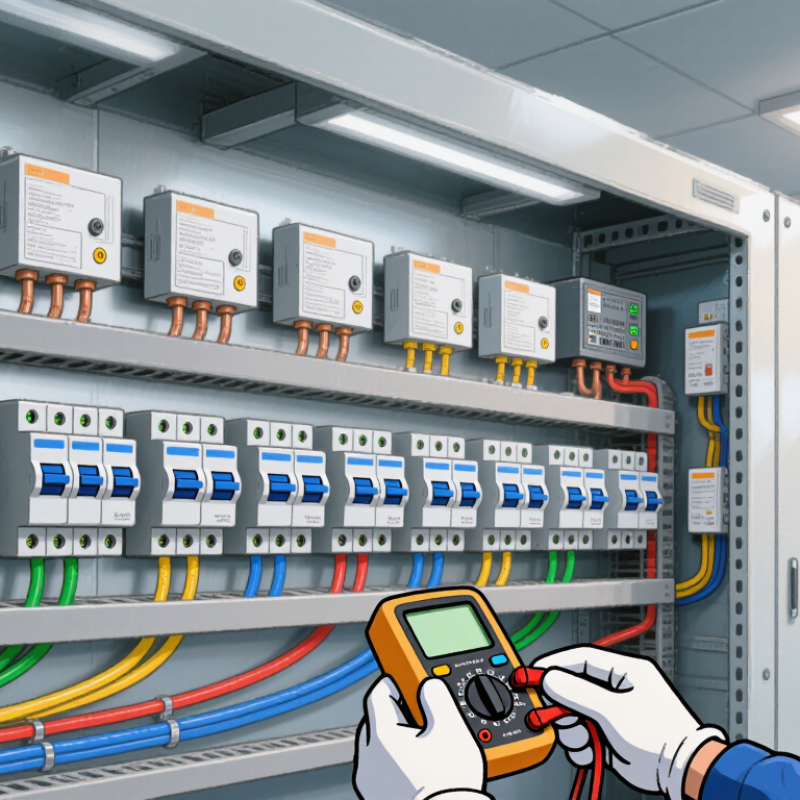
Do not treat a battery cabinet like a solar combiner box. Industrial systems add motor drives, control networks, and large inductive loads, so protection may need coordinated devices at incoming feeders, converters, and exposed signal lines.
Check backup fusing, thermal status indication, and replacement access during maintenance. In practice, many specifications overlook cable routing. That is a costly weakness.
Independent testing, documented coordination, and installation against applicable IEC requirements provide stronger evidence than marketing claims.