Why Choose Boronic Acids and Esters for Global Sourcing?
Why Choose Boronic Acids And Esters for Global Sourcing?
Global sourcing of Boronic Acids And Esters is not simply a purchasing decision. It is a quality strategy for laboratories, pharmaceutical developers, and advanced materials manufacturers. These compounds support Suzuki–Miyaura coupling, medicinal chemistry, agrochemical research, and electronic-material development. Their value depends on more than a competitive price. Purity, regioisomer control, moisture protection, documentation, and batch consistency can determine whether a reaction proceeds smoothly or requires costly repetition.
Professor David G. Hall, a recognized authority on boronic acid chemistry, has emphasized the practical importance of these compounds: “Boronic acids are versatile tools for building molecular complexity.” That perspective remains relevant for global procurement. A dependable supplier should provide clear certificates of analysis, traceable batch numbers, reliable lead times, and packaging suited to sensitive chemical materials. Small details matter. A sealed vial. A readable label. A stable shipment history.
The advantages are substantial. Global sourcing can broaden access to specialized building blocks, improve supply resilience, and support scalable research. Yet the process is not flawless. Supplier qualification may take time, and regional shipping conditions can expose weaknesses in storage or communication. Price comparisons can also mislead when assay methods differ. A thoughtful sourcing program therefore evaluates technical evidence, not promotional language alone. Independent testing, transparent specifications, and responsive technical support build confidence. The best choice is rarely the cheapest catalog entry. It is the supplier that consistently turns a complex chemical requirement into a predictable, documented, and usable material.
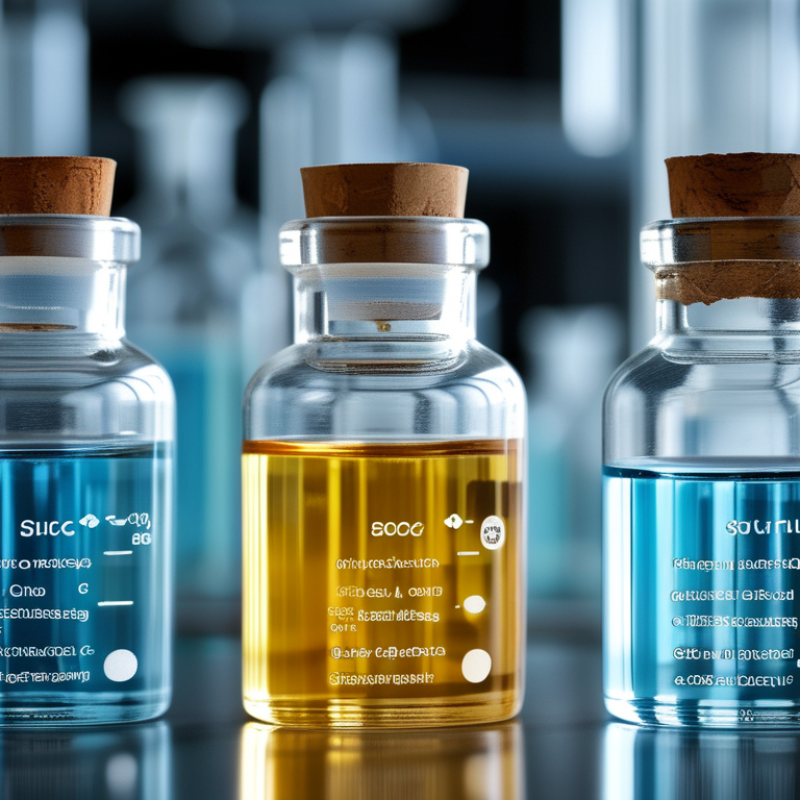
Chemical Structure and Core Properties of Boronic Acids and Esters
Why Choose Boronic Acids and Esters for Global Sourcing?
Boronic acids contain a carbon–boron bond and two hydroxyl groups, written as R–B(OH)2. Boronic esters replace these hydroxyl groups with alkoxy groups, often forming R–B(OR′)2. In both forms, boron has an electron-deficient center. This structure supports controlled reactions with suitable carbon partners.
Their most recognized property is reversible binding with diols. This behavior also helps explain their value in chemical synthesis. Boronic acids often participate in carbon–carbon bond formation, while esters can offer improved handling and storage stability. Many ester forms are crystalline solids with consistent weighing characteristics. Acids may provide greater direct reactivity, but they can be more sensitive to moisture and certain storage conditions.
For global sourcing, structure should guide the specification, not replace it. Check assay, water content, residual solvents, particle size, and documented analytical methods. A pinacol ester may travel well, yet hydrolysis can still occur when packaging is poor. The chemistry is not flawless. Minor impurities may affect coupling performance, and different lots can behave differently in demanding reactions. Suppliers should provide batch records, clear transport conditions, and realistic shelf-life data. Local climate matters too. A dry warehouse and a humid port create different risks for the same material. Careful evaluation is worthwhile.
Key Applications Across Pharmaceutical and Materials Industries
Boronic acids and esters support important work in pharmaceutical development. Their most recognized role is Suzuki–Miyaura coupling, which forms carbon–carbon bonds under controlled conditions. This reaction helps chemists build complex intermediates for active pharmaceutical ingredients. Boronic esters often offer better handling and storage stability than some free boronic acids. Small details matter. Moisture, particle size, and impurity profiles can influence reaction performance. Global sourcing therefore requires verified specifications, batch records, analytical data, and reliable temperature control during transport. A lower purchase price means little if one shipment creates extra purification work.
Materials research also uses these compounds in practical and emerging ways. Aryl boronic derivatives can serve as building blocks for conjugated polymers used in electronic and optical applications. Boronic acids can bind with diols, supporting chemical sensors, responsive hydrogels, and reversible polymer networks. These interactions may enable color changes, selective recognition, or self-healing behavior. That assumption fails. A material that performs well in a laboratory vial may behave differently during scale-up. Supplier evaluation should include synthesis consistency, residual metals, water content, packaging quality, and technical support. Cross-functional review between chemists, engineers, and quality teams can reveal risks before production begins. Even then, long-term stability data may remain incomplete, especially for newly designed materials.
Global Supply Chain and Sourcing Considerations
Why Choose Boronic Acids and Esters for Global Sourcing?
Global Supply Chain and Sourcing Considerations
Boronic acids and esters support flexible route design in pharmaceutical and advanced-material synthesis. Their commercial value depends on more than chemical availability. It also depends on reliable capacity, consistent purity, and controlled logistics. The UNCTAD Review of Maritime Transport 2023 reports that maritime shipping carries over 80% of global merchandise trade. A delayed container can therefore affect a carefully planned production schedule. Moisture exposure, temperature variation, and packaging quality may also influence material performance.
Supplier qualification should examine more than a certificate of analysis. Buyers should review batch history, analytical methods, change-control procedures, and backup manufacturing capacity. McKinsey reported that 93% of supply-chain leaders planned to increase resilience after recent disruptions. That figure supports dual sourcing, but it does not remove every risk. A second supplier may use different impurity controls or process conditions. Comparable specifications must be verified through technical studies and sample testing. Small differences matter.
Tips: Request recent batch data, not only standard specifications. Confirm packaging before shipment. Ask how suppliers manage raw-material shortages. Keep realistic safety stock for critical intermediates. Audit communication speed, too. It is often overlooked. The strongest sourcing plan combines regional options with transparent documentation. Yet lower prices can hide longer lead times, weaker technical support, or costly requalification. A practical review should compare total supply risk, not just the quoted kilogram price.