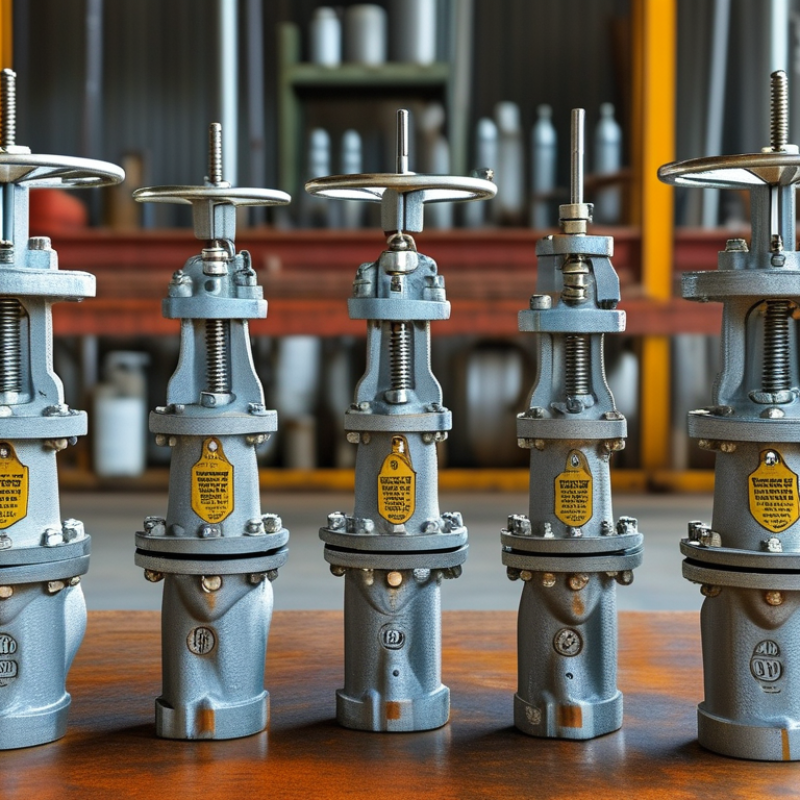
| Primary Purpose | Isolation and shutoff of process flow | A gate valve is designed mainly for fully open or fully closed service, not continuous throttling. | Use a bellows sealed gate valve where positive isolation and reduced stem emissions are more important than frequent flow regulation. |
| Valve Size | Common nominal sizes: DN15 to DN600 (½ to 24 in) | The size must match the connected piping and required flow capacity. | Select the nominal size according to the piping specification, allowable pressure drop, and available installation space. |
| Pressure Class | Typical ratings: ASME Class 150, 300, 600, 900 and 1500 | The pressure rating determines the allowable pressure-temperature envelope. | Choose a rating equal to or higher than the piping design pressure at the design temperature; do not select by pressure alone. |
| Temperature Range | Approximately −196°C to 600°C (−321°F to 1112°F), depending on materials and packing | Temperature affects bellows fatigue life, body strength, seat performance, and gasket selection. | Confirm the complete valve assembly rating, including bellows, seats, body, bonnet gasket, and stem packing. |
| Bellows Material | Common choices include stainless steel alloys selected for corrosion and temperature resistance | The bellows is the primary dynamic pressure barrier around the stem and experiences repeated movement. | Match the alloy to the process fluid, chloride level, temperature, pressure, and expected operating cycles. |
| Bellows Construction | Formed or welded bellows; single or multi-ply designs | Construction influences flexibility, pressure capability, fatigue life, and leak resistance. | Request cycle-life calculations and inspection requirements for applications involving frequent operation or thermal cycling. |
| Stem Sealing Concept | Welded metal bellows with secondary stem packing | The bellows provides a primary seal, while packing or a secondary seal provides backup protection. | Verify the design includes a protected bellows bonnet and a suitable secondary seal for the service environment. |
| End Connection | Flanged, butt-weld, socket-weld, threaded, or other specified connections | The connection determines installation method, joint integrity, maintenance access, and piping compatibility. | Follow the project piping class and confirm flange dimensions, facing, wall thickness, and applicable standards. |
| Gate and Seat Design | Wedge gate, flexible wedge, or parallel gate; metallic or resilient seating where suitable | The design affects shutoff performance, thermal behavior, solids tolerance, and operating torque. | Use metallic seats for high-temperature or demanding process service, subject to the specified leakage class and fluid conditions. |
| Flow Direction | Generally suitable for bidirectional isolation, subject to the valve design | Bidirectional shutoff can simplify piping layout, but pressure-assisted seating and body markings must be checked. | Follow the manufacturer’s flow arrow, seat orientation, and pressure-direction requirements when specified. |
| Leakage and Emissions | Low-emission stem sealing; seat leakage tested to the specified standard | Bellows isolate the stem from the process, reducing fugitive emissions through the stem seal. | Specify fugitive-emission testing, shell testing, and seat leakage acceptance criteria in the purchase requirements. |
| Operating Frequency | Best suited to infrequent or moderate isolation duty | Every opening and closing cycle flexes the bellows and contributes to fatigue. | For frequent cycling, obtain a documented bellows cycle rating and consider an actuator sized for the maximum breakaway torque. |
| Actuation | Handwheel, gear operator, electric actuator, pneumatic actuator, or hydraulic actuator | Actuation affects response time, operator effort, control integration, and safe isolation. | Size the actuator from maximum differential pressure, seating and unseating torque, temperature, and required fail position. |
| Applicable Standards | Standards may cover design, testing, face-to-face dimensions, flanges, and fugitive emissions | Standards provide consistent requirements for safety, interchangeability, inspection, and performance verification. | Define the required standards in the specification, such as applicable gate-valve, pressure-testing, flange, and low-emission standards. |
| Maintenance and Inspection | Inspect body, bonnet joints, bellows area, stem movement, packing, and seat shutoff | A bellows failure can expose the secondary seal to process conditions and may require prompt isolation. | Choose a design with accessible inspection points, clear maintenance instructions, replacement-part availability, and documented pressure tests. |