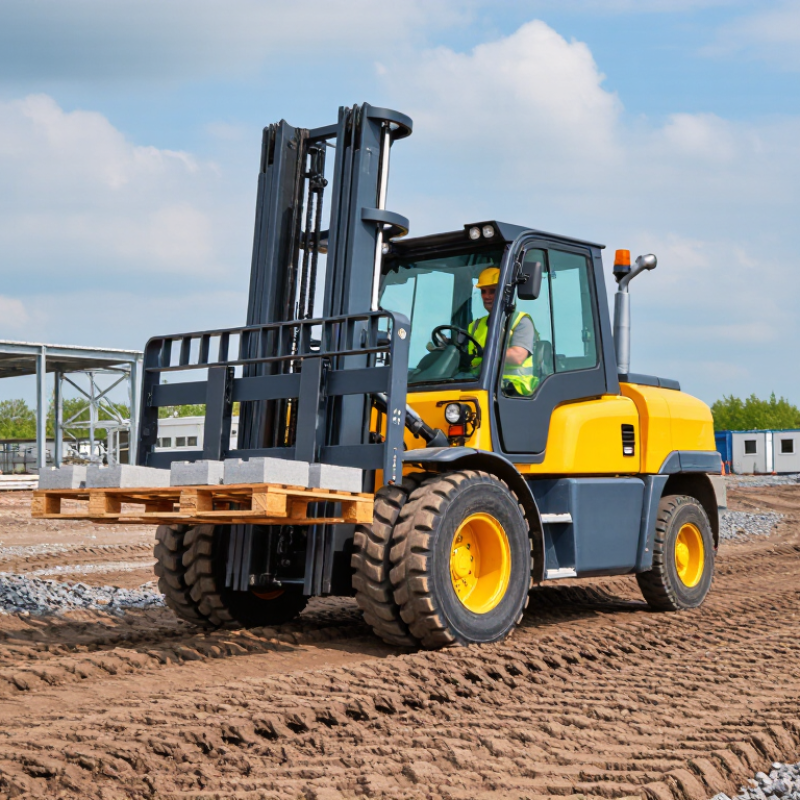
Choosing an off road forklift starts with its working environment. Mud, gravel, slopes, and uneven ground place heavy demands on tires, axles, brakes, and hydraulic systems. Ask a service technician to inspect grease points, fluid access, filters, and daily inspection areas. If operators cannot reach these parts easily, routine maintenance may be delayed. Small delays become expensive repairs.
Maintenance should fit your actual schedule. Check how often the forklift needs lubrication, hydraulic inspections, tire replacement, and engine servicing. Review service records from similar machines, not only sales estimates. I once underestimated cleaning time after muddy shifts. That mistake affected the next morning’s inspection. A clear maintenance log helps reveal these practical costs.
Operator comfort also affects productivity and safety. The seat should reduce vibration across rough ground. Controls must feel predictable, even when the operator wears gloves. Good visibility, adjustable steering, secure steps, and simple warning displays matter during long shifts. Let several operators test the forklift before purchasing it. Their feedback may expose problems that specifications miss.
Total cost of ownership includes more than the purchase price. Calculate fuel or energy use, scheduled service, tires, repairs, training, insurance, and expected downtime. Consider how quickly parts can arrive in your region. A cheaper forklift may cost more when it sits unused for two days. My own preference is not always correct, so compare measured operating data with supplier claims. A practical trial often provides the clearest evidence.