



Why Choose Concrete Cement for Your Construction Projects and Its Benefits

Concrete cement has become a cornerstone in the construction industry, known for its robust properties and versatility. Dr. Emily Johnson, a leading expert in construction materials, once stated, "The choice of concrete cement in building projects not only enhances structural integrity but also extends the longevity of constructions." This reflects the growing consensus among professionals about the pivotal role that concrete cement plays in modern architecture and engineering.

In recent years, the demand for sustainable and durable construction methods has surged, leading many to recognize the unparalleled benefits of concrete cement. It offers excellent compressive strength, resistance to weathering, and low maintenance requirements, making it an ideal choice for various projects, from residential buildings to large infrastructural developments. Moreover, innovations in concrete technology have introduced eco-friendly options that further enhance its appeal.

As we delve deeper into the advantages of choosing concrete cement for construction projects, it becomes evident that not only does it meet the stringent requirements of safety and performance, but it also supports sustainable building practices. Understanding the multifaceted benefits of concrete cement is crucial for architects, engineers, and builders who aim to create structures that endure the test of time while being mindful of environmental impacts.

Why Choose Concrete Cement for Your Construction Projects and Its Benefits

Benefits of Using Concrete Cement in Construction Projects

Concrete Cement Concrete cement remains a top choice for construction projects due to its numerous advantages that significantly enhance the durability and structural integrity of buildings. According to the Portland Cement Association, concrete is one of the most widely used construction materials, accounting for over 52% of all construction materials used globally. One of the primary benefits of concrete cement is its remarkable compressive strength. Studies show that concrete can withstand loads of up to 4,000 psi (pounds per square inch) and can be further enhanced with admixtures, allowing it to perform exceptionally well in various structural applications.

Additionally, the versatility of concrete cement is evident in its adaptability to different construction needs. It can be molded into any shape or form, making it suitable for everything from pavements to high-rise buildings. According to a report from the Global Cement and Concrete Association, concrete is not only energy-efficient but also plays a crucial role in sustainable construction practices. The material's thermal mass can help regulate indoor temperatures, reducing the reliance on heating and cooling systems, which leads to lower energy costs. Moreover, being 100% recyclable, concrete contributes to a circular economy and minimizes environmental impact.

The longevity of concrete cement also makes it a preferred choice for construction projects. Data from the American Concrete Institute indicates that properly maintained concrete structures can last over 100 years, significantly outpacing the lifespan of materials like wood and steel. This durability translates into lower maintenance costs over time, making concrete an economically sound option for both residential and commercial buildings. As the construction industry continues to evolve, the focus on sustainable and durable materials like concrete cement will remain pivotal for achieving long-term success.

Durability and Longevity: Statistics on Concrete's Lifespan

When it comes to construction projects, the choice of materials can significantly impact durability and longevity. Concrete cement stands out for its remarkable lifespan, often exceeding 30 years with proper maintenance. According to various studies, structures made with concrete can endure harsh weather conditions, resist heavy loads, and minimize the risk of damage from environmental factors. This makes it an ideal choice for both residential and commercial buildings.

To ensure maximum lifespan, here are a few tips: First, consider using a high-quality mix that suits your specific environmental conditions. Incorporating additives can enhance resistance to water and chemicals. Second, proper curing is crucial. Allowing concrete to cure adequately can prevent cracks and ensure strength. Lastly, regular maintenance such as sealing and timely repairs can help prolong the life of concrete structures.

The statistics speak for themselves; concrete not only withstands the test of time but also offers significant cost savings over the life of a structure. Its low maintenance needs and high durability make it a wise investment for any construction project. Choosing concrete cement means investing in a reliable foundation that supports longevity and durability.

Why Choose Concrete Cement for Your Construction Projects and Its Benefits - Durability and Longevity: Statistics on Concrete's Lifespan

Aspect Concrete Cement Other Materials
Average Lifespan 50-100 years 15-50 years
Maintenance Frequency Low (every 5-10 years) High (every 1-3 years)
Resistance to Weather Excellent Variable
Fire Resistance High Low to Moderate
Resistance to Pests Yes No
Environmental Impact Can be mitigated Higher emissions

Cost-Effectiveness: Analyzing Concrete's Economic Advantages

Concrete cement has emerged as a popular choice for construction projects due to its cost-effectiveness and long-term economic benefits. One of the key advantages of using concrete is its durability, which translates into lower maintenance and repair costs over time. Unlike other materials, concrete can withstand harsh weather conditions, heavy loads, and even fire, leading to fewer replacements and repairs. This resilience not only extends the lifespan of the structure but also significantly reduces the financial burden associated with upkeep.

Moreover, the initial investment in concrete may be offset by its energy efficiency. Buildings constructed with concrete can maintain stable indoor temperatures, reducing the need for heating and cooling. This results in lower energy bills, contributing to a more sustainable construction approach. Additionally, concrete's versatility allows it to be molded into various shapes and sizes, minimizing material waste. By opting for concrete cement, builders can achieve a favorable balance between upfront costs and long-term savings, making it a wise investment for a variety of construction projects.

Sustainability in Construction: Concrete's Environmental Impact

Concrete cement has increasingly become a favored material in construction, largely due to its sustainability benefits. One of the critical environmental impacts of concrete is its potential for reuse and recycling. After a structure reaches the end of its life cycle, concrete can be crushed and repurposed for new construction projects. This recycling process significantly reduces the amount of waste sent to landfills and lowers the demand for new raw materials, thereby conserving natural resources.

Additionally, modern advancements in concrete technology have led to the development of eco-friendly alternatives, such as high-performance concrete and blended cement, which use supplementary materials like fly ash and slag. These innovations not only decrease the carbon footprint associated with concrete production but also enhance the durability and strength of the final product. Furthermore, the energy efficiency of buildings utilizing concrete is often superior, as it provides excellent thermal mass. This characteristic allows buildings to maintain stable indoor temperatures, reducing reliance on heating and cooling systems and ultimately lowering greenhouse gas emissions.

Overall, the incorporation of concrete cement in construction projects can significantly bolster sustainability efforts, making it a valuable choice for environmentally conscious builders and developers.

Versatility of Concrete Cement: Applications Across Various Structures

Why Choose Concrete Cement for Your Construction Projects and Its Benefits

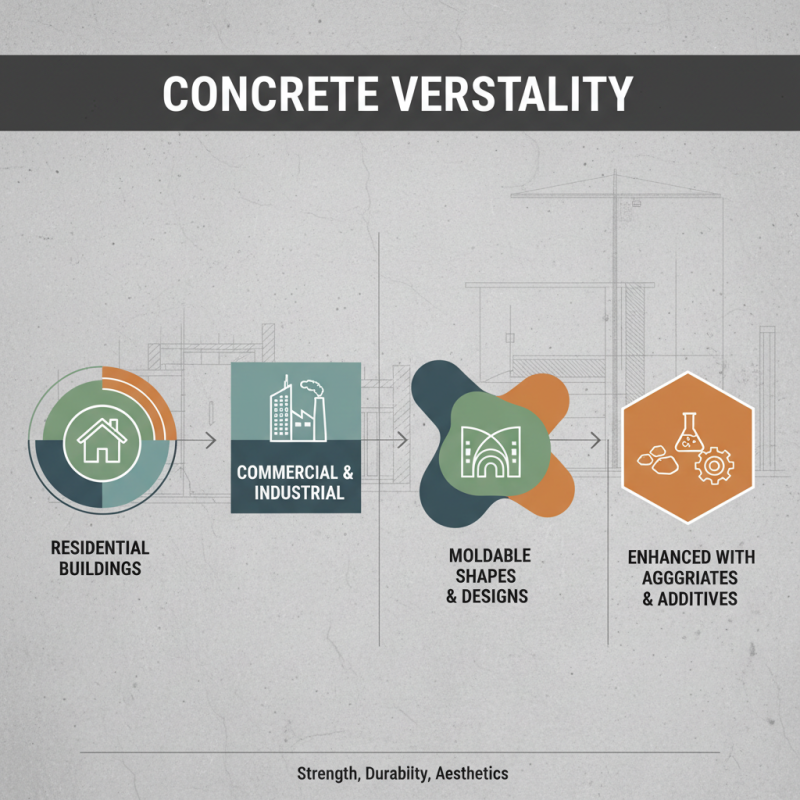
Concrete cement stands out for its versatility, making it a preferred choice for various construction projects. From residential buildings to sprawling commercial complexes, concrete's adaptability allows it to meet the diverse requirements of different structures. Its properties enable it to be molded into a wide array of shapes and sizes, providing architects and builders the freedom to explore innovative designs. This versatility is further enhanced by the ability to incorporate different aggregates and additives, allowing for enhancements in strength, durability, and aesthetics.

In addition to its structural applications, concrete cement is widely used in infrastructural projects such as roads, bridges, and tunnels. Its ability to withstand heavy loads and resist wear and tear makes it ideal for high-traffic environments. Moreover, concrete finds applications in decorative features, such as pavements, retaining walls, and artistic installations, showcasing its potential to enhance both functionality and visual appeal. This broad spectrum of applications illustrates how concrete cement serves as a fundamental material in modern construction, contributing to both the integrity and beauty of buildings and infrastructure alike.

Find the Right Repair Product for Your Project

Need to find the most appropriate product for the needs of your project? We can help because we have over 70 years of experience servicing the industry with every kind of project, from Do-it-yourself projects to large skyscrapers. Package Pavement has the experience, the knowledge and the products to help every project succeed.
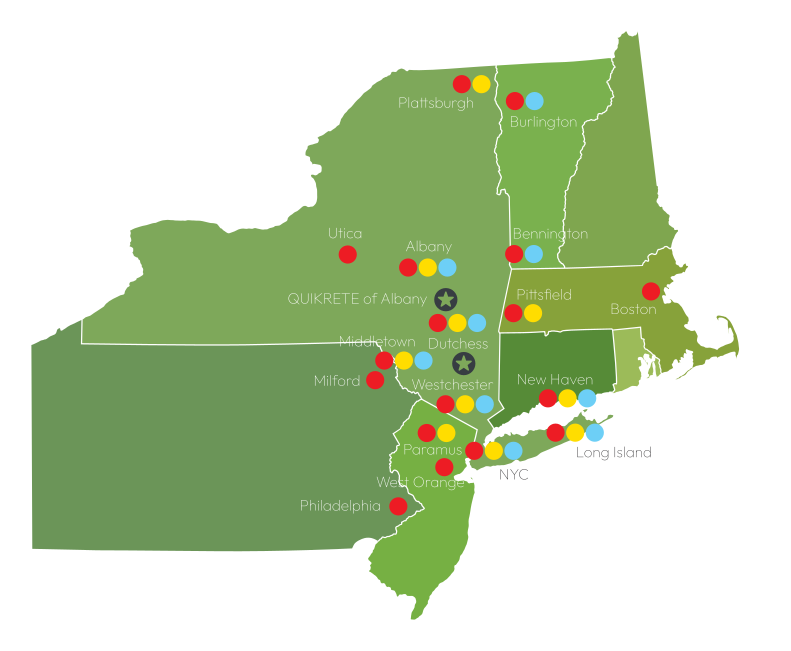
Quikrete Repair Products
Legend
Package Pavement has two convenient locations in Stormville, NY (Dutchess County) and Ravena, NY (Greene County) to serve the Northeastern Region with bagged concrete, blacktop, mortar, and repair products. This map gives a general idea of where we service and the product lines we offer.
Package Pavement Products
Quikrete Products
Spec Mix Products
map

Our Brands Websites