7 Best Mezzanine Storage Rack Suppliers Worldwide
Choosing the right Mezzanine Storage Rack supplier can reshape warehouse capacity, safety, and daily workflow. A well-designed system may add usable floor space without expanding the building. However, the lowest quotation rarely tells the whole story.
This guide examines seven leading suppliers worldwide through practical purchasing criteria. These include structural engineering, load calculations, material quality, customization, installation support, and after-sales service. Reliable suppliers should provide clear drawings, documented specifications, realistic delivery schedules, and responsive technical assistance. Their solutions should also reflect local building requirements and the warehouse’s actual operating conditions.
Details matter. A platform supporting cartons needs different planning from one carrying forklifts or pallet trucks. Beam spacing, column placement, staircase access, guardrails, decking, and fire-safety coordination can affect both performance and cost. Experienced suppliers usually ask about ceiling height, aisle width, stored goods, handling equipment, and future expansion. That is a useful sign.
No supplier is perfect.
Some companies excel at complex engineering but offer longer lead times. Others provide competitive pricing but limited installation support. This comparison recognizes those trade-offs instead of presenting a convenient winner. It considers customer experience, technical credibility, industry reputation, and evidence behind supplier claims. Readers should still verify references, inspect sample projects, and request a site-specific assessment before ordering. A strong supplier does more than sell steel. It helps create a safer, more adaptable, and genuinely workable storage environment.
What Mezzanine Storage Racks Are and How They Work
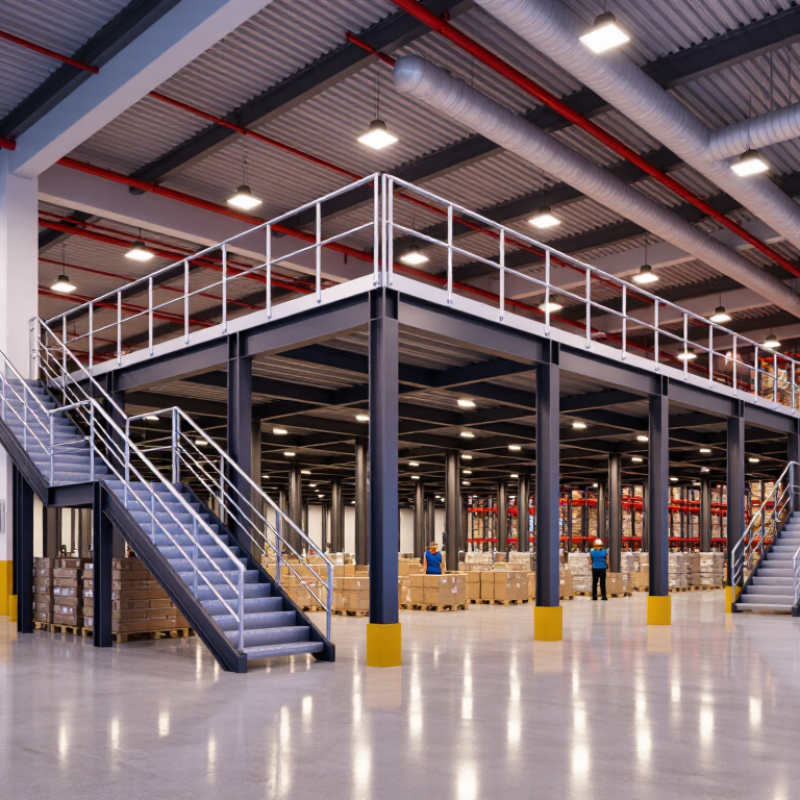
Mezzanine storage racks are elevated shelving systems that use unused vertical space. They create a second storage level above the warehouse floor. Unlike ordinary shelving, they combine structural frames, beams, decking, and access equipment. The space below can hold pallets, workstations, or packing areas. The upper level usually stores cartons, spare parts, or slower-moving inventory.
The rack structure transfers weight through upright columns and horizontal beams. Deck panels spread loads across the frame. Stairs provide regular access, while pallet gates or lifting equipment support safer material movement. Each level needs a clearly defined load rating. That rating depends on beam size, deck type, column spacing, and stored goods. A qualified engineer should verify these details before installation.
Good planning begins with accurate measurements and real operating habits. I have seen layouts fail because planners measured empty aisles, not active forklift routes. That mistake is expensive. Storage height, ceiling clearance, fire protection, lighting, and emergency access also affect the design. Fast-moving products should remain near efficient access points. Heavy goods belong on lower levels unless the structure is specifically designed for them. Even experienced teams can overlook maintenance space. Leave room for inspections, repairs, and future stock changes. A flexible rack may cost more initially, but rigid planning often creates higher costs later.
Key Criteria for Evaluating Global Mezzanine Rack Suppliers
A reliable mezzanine rack supplier should be judged beyond price, delivery promises, and attractive drawings. MHI’s 2024 Annual Industry Report surveyed more than 1,000 supply-chain professionals. It found that 55% planned to increase automation investment. This signals a practical issue: suppliers must support future material-handling changes, not only today’s storage needs.
Request stamped load calculations, platform deflection limits, seismic assumptions, and clearly identified steel grades. Ask how the supplier verifies welds, bolts, guardrails, stairs, and floor anchors. Independent engineering review matters. So does installation evidence from warehouses with similar loads, ceiling heights, and operating temperatures. During a site assessment, inspect the small details: uneven concrete, forklift turning space, sprinkler clearance, and damaged pallet edges. These details often expose weak planning.
Supplier evaluation should also include lead-time reliability, spare-part availability, inspection training, and change-control procedures. The 2024 Deloitte Global Chief Procurement Officer Survey highlights continuing pressure on resilience, visibility, and supplier risk management. Therefore, request documented contingency plans for steel shortages, transport delays, and design revisions. A supplier offering only one structural option deserves caution. However, a long checklist can create false confidence. My own assessment may still miss local permitting constraints or future workflow changes. Require references, but verify them directly through operating sites and maintenance records. Sentence lengths? Fine.
Seven Leading Mezzanine Storage Rack Suppliers Worldwide
Seven leading mezzanine storage rack suppliers worldwide stand out through engineering depth, project experience, and dependable after-sales support. The strongest suppliers usually include global warehouse integrators, regional steel fabricators, modular storage specialists, automated storage experts, heavy-duty rack manufacturers, design-and-installation contractors, and custom platform producers. Each serves different warehouse conditions.
A global integrator can coordinate surveys, layouts, and installation across multiple countries. A regional fabricator may respond faster and adapt better to local building practices. Modular specialists often reduce installation time. Automated storage experts connect mezzanines with conveyors, lifts, and inventory systems. Heavy-duty manufacturers focus on high loads, pallet movement, and long service life. Installation contractors bring practical site experience, especially where ceilings, columns, or uneven floors complicate the work. Custom producers handle unusual dimensions, awkward access points, and mixed storage areas.
Reliable suppliers provide load calculations, steel specifications, guardrail details, stair designs, and inspection records. They should explain how floor capacity, seismic conditions, fire protection, and forklift traffic affect the proposal. In real projects, drawings may look excellent but fail during installation because measurements were incomplete. That risk deserves attention. I would request reference projects, maintenance guidance, and clear warranty terms before comparing prices. The lowest quotation can hide transport limits, weak site supervision, or expensive modifications. Ask difficult questions early. Small details matter. A practical supplier also revises the design when operations change, rather than defending an unsuitable first draft.
Comparing Supplier Strengths, Systems, Services, and Pricing
Choosing among the 7 best mezzanine storage rack suppliers requires more than comparing steel prices. A strong supplier should provide verified load calculations, modular layouts, safe stair access, guardrails, and clear installation drawings. MHI’s 2024 Annual Industry Report reports that 55% of surveyed supply-chain professionals expect technology investment to increase. Therefore, suppliers offering barcode, conveyor, or warehouse-management integrations deserve closer attention.
System flexibility often separates a useful platform from an expensive obstacle. Adjustable decking can support cartons today and picking equipment later. However, “future-ready” designs can increase the initial quotation. Ask for itemized costs covering steel, flooring, stairs, freight, installation, inspections, and maintenance. A low headline price may hide expensive site preparation. That assumption is often wrong.
Service strength is equally measurable. Compare engineering response times, spare-part availability, inspection schedules, and local installation capacity. The 2024 State of Warehouse Operations research from Logistics Management highlights persistent labor and productivity pressure, making reliable access and fast repairs commercially important. In practical reviews, I would request a live layout simulation and a reference site with similar loads. Pricing should be judged through total cost of ownership, not price per square meter. A cheaper structure may still lose value if installation delays interrupt picking operations. Small details matter.
How to Choose the Right Supplier for Your Warehouse Needs
Choosing among the 7 best mezzanine storage rack suppliers worldwide requires more than comparing prices. Your warehouse layout, load requirements, ceiling height, and handling equipment must guide the decision. A reliable supplier should provide clear structural calculations, material specifications, and realistic installation schedules.
Ask whether the supplier has completed projects similar to yours. Request references, site photographs, and inspection records. Experienced engineers should review floor capacity, rack spacing, access routes, guardrails, stairs, and emergency movement areas. They should also explain how their design follows applicable safety standards in your location.
Do not accept a vague quotation. It should separate design, materials, delivery, installation, testing, and future service costs. Confirm the warranty terms and response time for replacement parts. A supplier offering regular inspections can reduce long-term uncertainty.
Details matter.
I once underestimated how quickly a small layout change could affect forklift movement and storage capacity. That mistake taught me to involve warehouse operators before approving drawings. Ask for a revised plan after practical feedback. Good suppliers welcome questions, but they should also challenge unsafe or inefficient ideas. A polished presentation is not enough. Check communication quality, documentation accuracy, and whether promised dates match their actual project history. Some suppliers may lack local installation support, which can create avoidable delays. Clearance, lighting, fire protection, and future expansion deserve equal attention before signing any agreement.