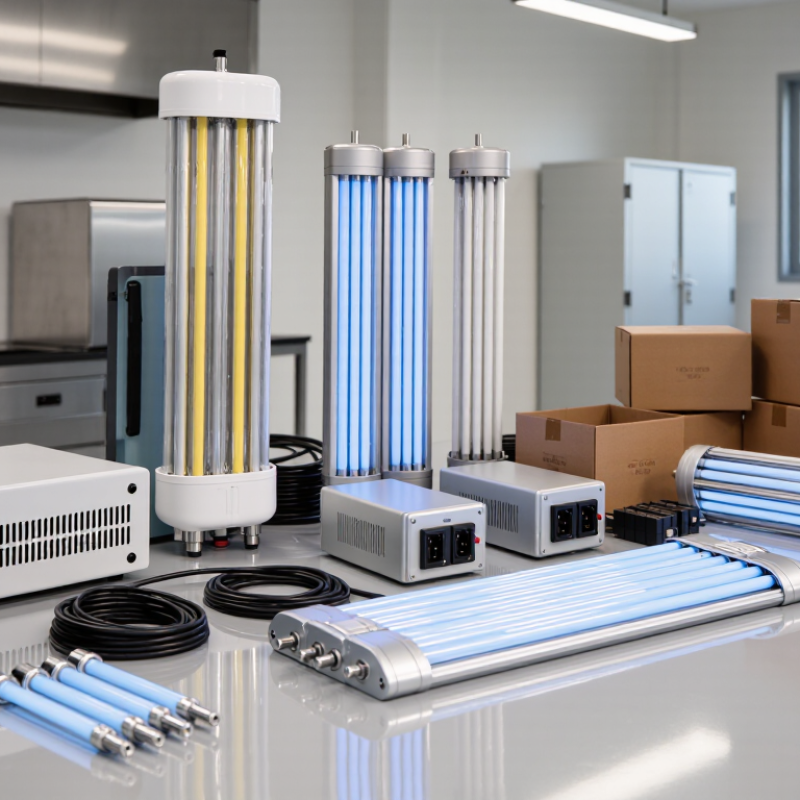
When comparing UV lamp suppliers, price should begin with wavelength, irradiance, and operating hours. A 254 nm lamp is not interchangeable with a 365 nm curing lamp. The U.S. Department of Energy reports that UV-C effectiveness depends on delivered dose, not electrical wattage alone. Ask for irradiance data at a stated distance, temperature, and lamp age.
Supplier evidence matters more than polished quotations. Request independent test reports, photometric calibration records, and compliance with IEC 62471 for photobiological safety. The International Ultraviolet Association emphasizes dose validation and maintenance records in disinfection applications. A supplier quoting only “high power” gives too little information. Very little confidence.
Compare total ownership cost. Include lamp replacement intervals, ballast compatibility, cooling needs, shipping, and disposal requirements. A 2024 market analysis by Grand View Research estimates strong growth in UV disinfection equipment, with energy efficiency and monitoring driving adoption. That growth also brings inconsistent specifications. My practical mistake was comparing unit prices before checking replacement frequency; the cheaper lamp became more expensive after repeated downtime.
For industrial curing, request test coupons using your actual coating, conveyor speed, and substrate. For water or air systems, examine validated dose, flow rate, sensor accuracy, and pressure loss. Suppliers should provide traceable documents, realistic lead times, and a written warranty. Do not accept impressive laboratory results without field conditions. A small pilot order can reveal unstable output, difficult installation, or weak technical support before a larger purchase.