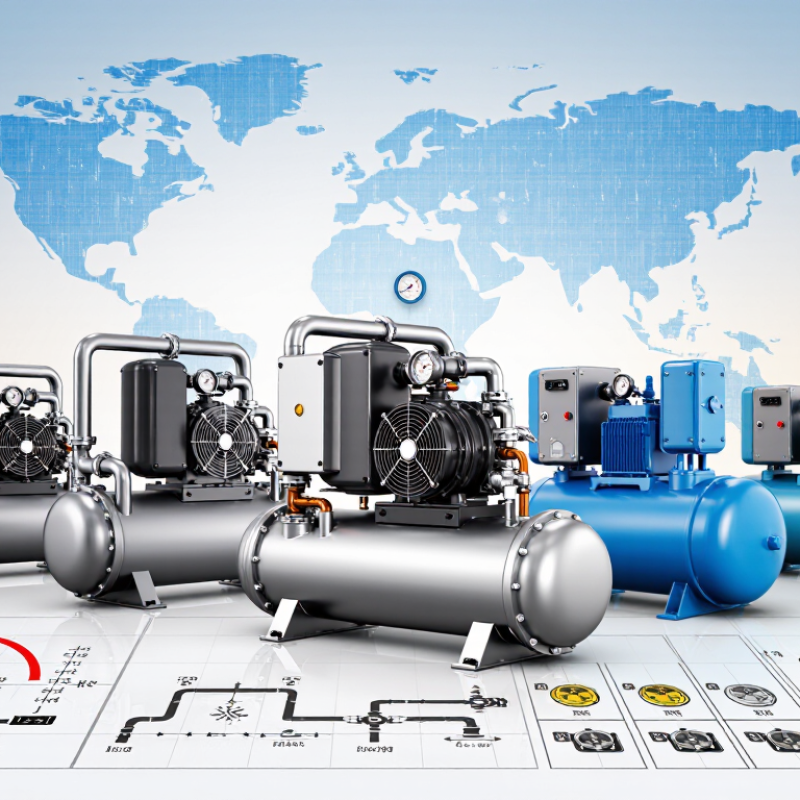
Global buyers selecting engine compressor manufacturers in 2026 should examine more than pressure, flow, and purchase price. The U.S. Department of Energy reports that compressed air may consume around 10% of industrial electricity, while leaks can waste 20–30% of production. Efficiency is therefore a procurement issue, not only an engineering detail. Ask suppliers for ISO 1217 performance test results, fuel-consumption curves, noise data, and service intervals under real operating temperatures.
Compliance must match the destination market. ISO 8573 helps define compressed-air purity, while IEC 60204-1 supports electrical safety assessment for machinery. Pressure equipment rules, engine-emission limits, import documentation, and local certification may differ by country. A certificate alone is not enough. Verify its scope, issuing body, test date, and model number. The International Energy Agency also links industrial efficiency with lower operating costs and reduced emissions, making lifecycle data increasingly important for purchasing teams.
Request serial-number traceability, spare-parts availability, remote diagnostic capability, and written warranty conditions. A factory audit should inspect assembly records, calibration controls, and final-load testing. Small details matter: oil stains near couplings, unclear nameplates, or missing maintenance logs deserve questions. I have seen attractive quotations fail after delivery because after-sales coverage was assumed, not written. No checklist catches every risk. Buyers should compare three-year total cost, not merely the first invoice, and document every unresolved technical limitation before signing.