2026 Best Tiny House Moving Services and Costs
Moving a tiny house is not simply a matter of attaching a trailer and driving away. In 2026, Tiny House Moving requires careful planning, suitable equipment, and experienced coordination. A home may look compact, yet its weight, width, height, and interior fittings can create serious transport challenges. A narrow bridge, low power line, or uneven driveway may change the entire moving plan.
This guide examines the best tiny house moving services and the costs owners may encounter. Pricing often depends on distance, home dimensions, route conditions, permits, escort vehicles, loading equipment, and destination preparation. A short move may still become expensive when cranes, temporary road closures, or utility adjustments are needed. Transparent companies should provide written estimates and explain possible extra charges before scheduling. Details matter.
Reliable movers usually demonstrate relevant experience, proper insurance, maintained equipment, and clear safety procedures. They should inspect the house, measure access points, confirm trailer compatibility, and discuss weather risks. Customer reviews can help, but they should not replace direct questions about past projects. Ask for evidence, not promises. This guide also encourages readers to compare several professional quotes and verify requirements with local authorities. Rules differ between locations, and outdated online advice can cause costly delays.
No moving plan is perfect. Unexpected rain, soft ground, or a last-minute route restriction can disrupt even careful preparation. I have found that realistic planning includes a contingency budget and flexible timing. The cheapest quote may not offer the safest or most dependable service. A careful decision protects both the tiny house and the people responsible for moving it.
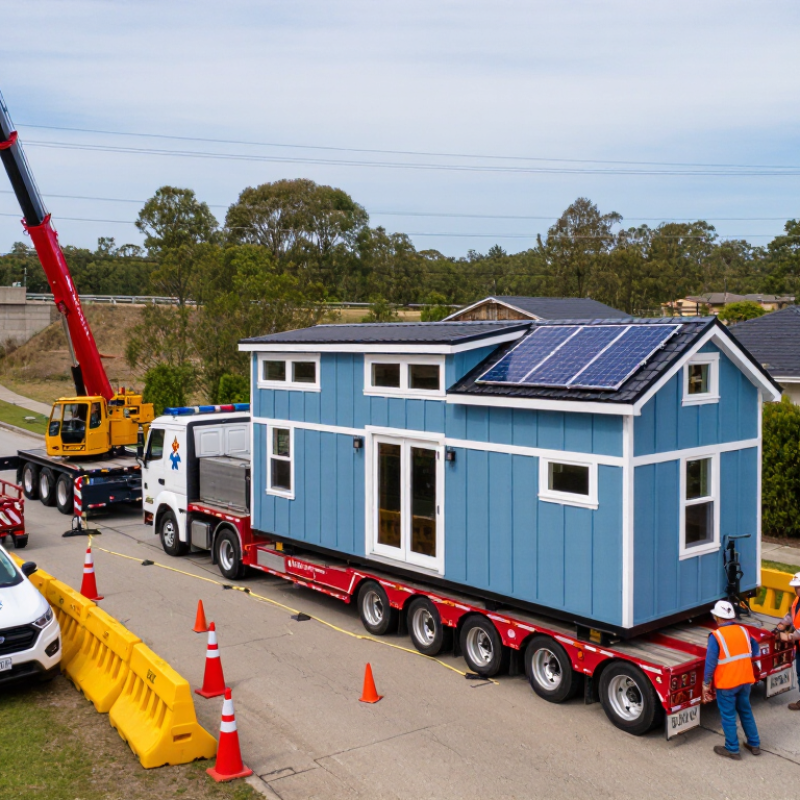
What Tiny House Moving Services Include
2026 Best Tiny House Moving Services and Costs
What Tiny House Moving Services Include
Tiny house moving involves more than attaching a trailer and driving away. A professional service usually begins with a route survey, weight check, and structural inspection. Crews measure roof height, exterior width, axle position, and clearance around utility connections. They may also remove skirting, secure doors, disconnect plumbing, and protect windows before loading.
Permitting is another major service. Oversize homes may require route-specific permits, escort vehicles, temporary traffic control, or utility coordination. The Federal Highway Administration identifies bridge clearances, roadway geometry, and overhead obstacles as critical freight-planning concerns. A careful mover checks these details before arrival, not after the house is stuck beside a narrow turn.
Pricing normally includes preparation, loading, transport, unloading, and setup. Extra charges can cover escort vehicles, travel distance, difficult access, storage, or crane support. The American Trucking Research Institute reported an average truck operating cost of $2.37 per mile in 2023. That figure is not a tiny-house quote, but it explains why fuel, labor, and mileage affect estimates.
I would not trust a low quote without a written scope. Some estimates exclude permits or final leveling. That omission can become expensive. Ask for photographs, insurance details, cancellation terms, and a step-by-step delivery plan. In my view, the best service is not merely fast. It leaves the home stable, connected, and ready for inspection.
How to Prepare a Tiny House for Relocation
Preparing a tiny house for relocation requires more than finding a suitable moving service. It means turning a lived-in space into a secure transport load. Before requesting quotes, confirm the house’s total weight, width, height, and tongue load with a qualified inspector. Measure roof edges, exterior lights, and plumbing connections, not only the floor plan. Small errors can create expensive delays.
Remove loose shelves, mirrors, furniture, water tanks, propane containers, and appliances that could shift during travel. Lock cabinet doors and brace windows with approved materials. Disconnect electricity, water, gas, and drainage through qualified professionals. Photograph every connection before removal. Keep those images with your moving documents. They may prevent confusion during reinstallation.
A route survey should check bridge limits, narrow turns, steep grades, low branches, and soft shoulders. Ask movers to explain escort needs, equipment, insurance, and charges for permits or difficult access. Costs may rise when the house needs a crane, temporary utility removal, or police-approved traffic control. Leave several inches of clearance where possible. Even careful plans can miss one low branch or weak driveway edge. That uncomfortable possibility deserves attention before moving day.
2026 Best Tiny House Moving Services and Costs - How to Prepare a Tiny House for Relocation
| Relocation Scenario | Typical Home Size | Approximate Distance | Recommended Moving Service | Estimated Cost Range | Typical Time Required | Main Cost Factors |
| Local move on public roads | Up to 8.5 ft wide and 20–28 ft long | Under 50 miles | Licensed tiny-house transport with route inspection and utility disconnection | $1,500–$4,000 | 1 day for transport; 1–3 days for preparation and setup | Truck and driver, mileage, escort requirements, loading, permits, and site access |
| Regional relocation | Up to 8.5 ft wide and 20–32 ft long | 50–250 miles | Specialized towing or flatbed transport with pre-move inspection | $3,000–$8,000 | 1–3 transport days; 2–5 total working days | Fuel, overnight logistics, road restrictions, escorts, tolls, and destination preparation |
| Long-distance interstate move | Up to 8.5 ft wide and 20–40 ft long | 250–1,000 miles | Long-haul tiny-house transporter with interstate documentation and route planning | $6,000–$15,000 | 3–7 transport days; 4–10 total working days | Distance, fuel, permits in multiple jurisdictions, weather delays, escorts, and lodging |
| Oversize tiny-house move | More than 8.5 ft wide or unusually tall | Any distance | Oversize-load hauler with pilot vehicles, engineering review, and customized route planning | $8,000–$25,000+ | 3–10 working days | Width and height, utility-line clearance, road surveys, escorts, permits, and restricted travel hours |
| Short-term storage during relocation | Personal belongings and removable fixtures | Local or regional | Climate-controlled or covered storage with loading and unloading assistance | $100–$300 per month | 1 month or longer | Storage size, climate control, insurance, handling, access frequency, and location |
| Utility reconnection and final placement | Any towable tiny house | At the destination site | Leveling, blocking, anchoring, electrical, water, wastewater, and propane reconnection | $500–$3,000 | 1–3 days | Foundation or pad condition, utility distances, local code, site slope, and equipment access |
| Complete relocation package | Typical 20–32 ft tiny house | 50–500 miles | Pre-move inspection, disconnection, transport, placement, leveling, and utility reconnection | $5,000–$15,000 | 3–8 working days | Home dimensions, travel distance, permits, route complexity, site work, and included services |
| Preparation Task | Recommended Timing | What to Do | Why It Matters | Expected Extra Cost |
| Confirm legal dimensions and weight | 4–8 weeks before moving | Measure overall width, height, length, and loaded weight, including the trailer, roof features, tanks, and attached equipment. | Accurate measurements determine permits, route clearance, escort needs, and suitable transport equipment. | $0–$500 |
| Inspect the trailer and running gear | 2–6 weeks before moving | Check tires, wheels, brakes, bearings, lights, safety chains, suspension, frame, and hitch components. | Mechanical defects can cause breakdowns, delays, or unsafe movement. | $150–$800 |
| Arrange permits and route review | 2–6 weeks before moving | Verify state or local requirements and identify low bridges, narrow roads, steep grades, weight limits, and restricted travel periods. | Permit and route problems are common causes of rescheduling and additional charges. | $50–$1,000+ |
| Disconnect utilities | 1–3 days before moving | Disconnect electricity, water, sewer, gas, internet, skirting, decks, stairs, awnings, and other site connections. | Loose connections and attached structures can be damaged during loading or transit. | $200–$1,500 |
| Secure the interior | 1 day before moving | Remove fragile items, empty or secure tanks, latch cabinets, protect appliances, lock windows, and distribute remaining weight evenly. | Movement can cause shifting, breakage, leaks, and damage to cabinets or plumbing. | $0–$500 |
| Remove exterior hazards | 1–2 days before moving | Remove or secure solar panels, satellite equipment, exterior lights, porch components, skirting, and protruding trim. | Exterior components may increase the legal dimensions or be damaged by wind and road clearance. | $100–$1,500 |
| Prepare the destination site | 1–4 weeks before moving | Clear the access path, confirm turning space, prepare a pad or foundation, and arrange utility connection points. | A prepared site reduces crane, winching, storage, standby, and redelivery costs. | $500–$10,000+ |
| Obtain insurance confirmation | Before signing the transport contract | Request written confirmation of cargo coverage, liability limits, exclusions, deductibles, and claims procedures. | Standard property insurance may not cover damage while the home is being transported. | $100–$1,000+ |
Cost ranges are typical planning estimates in U.S. dollars for 2026 and can vary substantially by region, home dimensions, weight, road conditions, permit requirements, site accessibility, season, and the services included in the written quote. Local authorities and the selected transporter should confirm final requirements and pricing.
2026 Tiny House Moving Costs and Pricing Factors
Moving a tiny house in 2026 can cost roughly $5,000 to $20,000. Distance matters, but it is not the only pricing factor. A short move may still require specialized hauling equipment, route planning, permits, escorts, and utility disconnection. Experienced movers inspect the home before quoting. They check width, height, weight, axle condition, and access points. A narrow bridge can change the route quickly.
Fuel and carrier operating expenses also affect the final invoice. The American Transportation Research Institute reported an average trucking cost of $2.26 per vehicle mile in its 2024 Operational Costs of Trucking report, based on 2023 data. This figure is not a consumer price, but it shows why long-distance hauling becomes expensive. The U.S. Energy Information Administration reported an average U.S. diesel price of about $3.76 per gallon in 2024. Fuel surcharges may rise when prices change.
Permits often cost several hundred dollars, while police escorts or pilot cars can add more for oversized loads. Crane work, temporary storage, blocking, leveling, and reconnection create separate charges. Ask for an itemized estimate. Confirm whether taxes, permits, waiting time, and return travel are included. I would not trust a quote based only on miles. That approach misses the difficult parts. Actual site measurements are safer than optimistic assumptions, especially when trees, steep grades, or soft ground surround the destination.
How to Choose a Reliable Tiny House Mover
Choosing a reliable tiny house mover in 2026 requires more than comparing the lowest quote. Look for teams with proven experience handling oversized homes, narrow roads, steep driveways, and delicate utility connections. Ask how many similar moves they completed recently. Request references, current insurance documents, and proof of required operating permits. Details matter.
A dependable mover should inspect your home and route before setting a price. They should measure the house, check axle weight, review bridge limits, and identify low branches or tight turns. A written estimate must explain transport, permits, escorts, setup, and possible waiting fees. Ask what happens if weather delays the move. Clear answers show professional planning.
Communication is another practical test. The mover should answer questions directly and provide a named contact during the project. Be cautious when someone demands a large deposit or avoids an in-person inspection. Ask for a realistic schedule, not a perfect promise. A low quote can feel tempting, but missing services may create expensive surprises later. No checklist catches every problem. Recheck the route after heavy rain, construction, or seasonal road changes. Even experienced movers can overlook one awkward corner.
2026 Best Tiny House Moving Services and Costs
Typical U.S. planning estimates for moving a towable tiny house. Costs vary by house width, weight, route, permits, escort requirements, loading complexity, and whether the move is local or interstate.
Estimated total moving cost excludes construction, storage, utility connections, and major route modifications. Request a written quote that confirms insurance, permits, equipment, and delivery conditions.
Legal, Safety, and Route Planning Requirements
Moving a tiny house in 2026 requires more than a suitable truck. It requires documented planning. Confirm whether the structure is classified as a mobile unit, manufactured dwelling, or site-built home. Rules vary by city, county, and state. Ask the transport company for current permit requirements before signing a contract. Some routes require oversize permits, warning signs, escort vehicles, or temporary traffic control. Insurance should cover loading, transit, unloading, and accidental property damage.
Safety begins with a professional inspection. Check the chassis, tires, brakes, axles, hitch, windows, roof edges, and utility connections. Disconnect gas, water, electricity, and internet lines completely. Secure cabinets, appliances, doors, and loose interior items. A small movement inside can become expensive damage outside. The mover should confirm total height, width, length, and weight using measured figures, not estimates. Clearance matters. A low bridge can end the trip quickly.
Route planning should include bridge heights, narrow turns, steep grades, road weight limits, construction zones, and seasonal weather. A route survey may cost several hundred dollars, while local moves often range from $1,000 to $5,000. Longer moves can exceed $10,000 after permits, escorts, fuel, storage, and site preparation. These figures are only planning references. I would not rely on an online calculator alone. One overlooked utility line or driveway angle can change the entire budget. Get a written quote with access conditions, cancellation terms, permit responsibility, and damage procedures clearly stated.
